Mit dem Anpfiff der Fußball-Weltmeisterschaft in Nordamerika erreicht nicht nur die Begeisterung der Fans einen neuen Höhepunkt. Parallel dazu rechnet das Landeskriminalamt (LKA) Hannover mit einem spürbaren Anstieg von Cyberangriffen, die gezielt an die WM-Euphorie anknüpfen. Kriminelle setzen dabei auf bekannte Maschen wie Spam, Phishing, Fakeshops, fingierte Gewinnspiele und Schadsoftware, um an Geld, Zugangsdaten oder gleich ganze Rechner zu gelangen.
Im Fokus der Ermittler stehen vor allem massenhaft versandte E-Mails und Nachrichten mit WM-Bezug. Sie verlinken häufig auf vermeintliche Sonderaktionen, Ticketverlosungen oder Fanartikel-Shops. Die Beamten raten, solche Nachrichten besonders kritisch zu lesen und konsequent zu löschen, ohne auf enthaltene Links zu klicken. Ähnlich funktionieren unseriöse Gewinnspiele, die primär der Datensammlung dienen. Dabei würden Namen und Logos bekannter Unternehmen missbräuchlich eingesetzt, ohne deren Wissen oder Zustimmung. Fans sollen im Zweifel direkt auf offiziellen Webseiten oder verifizierten Social-Media-Kanälen prüfen, ob eine Aktion tatsächlich existiert.
Ein weiterer Schwerpunkt sind betrügerische Onlineshops, die gezielt auf zur WM stark nachgefragte Waren setzen – etwa Trikots, Beamer oder Großbildfernseher. Laut LKA sollten unrealistisch niedrige Preise misstrauisch machen. Als erste Prüfinstanz empfehlen die Ermittler den Fakeshop-Finder der Verbraucherzentralen. Parallel wächst das Risiko, sich über manipulierte Webseiten, E-Mail-Anhänge oder vermeintlich nützliche WM-Downloads mit Trojanern und anderer Schadsoftware zu infizieren – vom angeblichen Spielplan bis zur Tippspiel-Software. Nutzer sollen daher nichts aus unbekannten Quellen installieren und keine persönlichen Daten auf zweifelhaften Seiten eingeben.
Auch bei der digitalen WM-Begleitung über Apps und Streaming-Angebote mahnen die Behörden zur Vorsicht. Rund um das Turnier tauchen zahlreiche neue Anwendungen auf, von denen längst nicht alle seriös seien. Empfohlen wird, Apps vor der Installation genau zu prüfen, Bewertungen kritisch zu lesen und sich auf offizielle App-Stores zu beschränken. Besonders riskant sind Anwendungen, die über Messenger oder offensichtlich unseriöse Webseiten verteilt werden. Wer Spiele über inoffizielle Streaming-Seiten verfolgt, geht laut LKA nicht nur lizenzrechtliche Risiken ein, sondern setzt sich zugleich der Gefahr aus, dass sich Schadsoftware bereits beim Seitenaufruf oder über angebliche Abspielprogramme unbemerkt auf dem eigenen Gerät installiert.

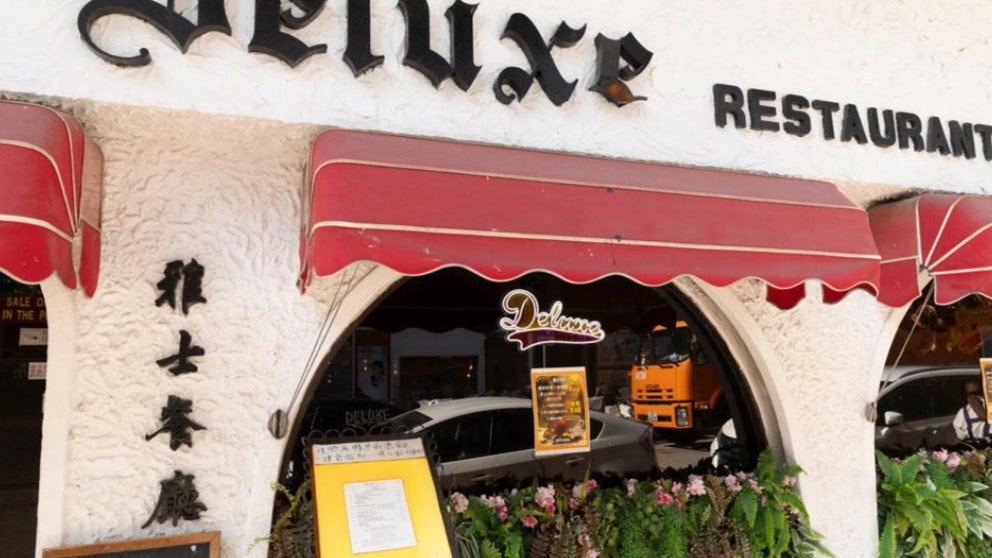
Hong Kong’s residential property market is extending a steady recovery, with key price gauges approaching levels last seen nearly three years ago, even as analysts warn momentum is likely to moderate in the coming quarter. The Centaline City Leading Index (CCL), which tracks secondary private home prices, rose for a fourth straight week to 159.94, up 0.57% on the week and 1.58% over the past month, marking its highest reading since around September 2023. The index has gained about 10.98% so far this year, underscoring a strong rebound in the second-hand segment.
Market data suggest the upswing is broad-based across different flat sizes, with larger units showing particular strength recently. Sub-indices for large housing estates and small-to-medium units advanced 0.61% and 0.43% respectively over the week, each climbing for a second consecutive week to near three-year highs. Prices of large units rose 1.25% in the latest week, extending a three-week gain of 3.01% to reach a two-and-a-half-year high. Regionally, Kowloon led with a 1.31% weekly rise to a near three-year high, while Hong Kong Island added 1.12% over the week and 2.34% across two weeks. New Territories East and West slipped 0.38% and 0.24%, ending their recent upward runs.
The official Rating and Valuation Department’s private home price index paints a similar picture of sustained recovery over a longer horizon. The index climbed 1.42% in the latest month to 321.9, its 12th consecutive monthly gain and a 12.36% increase from a year earlier. For the first five months of the year, official prices are up 7.44%. Still, both the CCL and the official gauge remain below their 2021 peaks: the CCL is about 16.41% under its August 2021 record of 191.34, while the government index is roughly 19.14% shy of its September 2021 high of 398.1, highlighting the distance yet to recover from the last cycle’s top.
Smaller units continue to outperform. Prices for A, B and C category flats — those up to 1,076 square feet — advanced 1.47% month on month and 12.57% year on year to 324.2 on the official scale, the highest level in about 32 months. Larger D and E category units of 1,076 square feet or more also rose, but at a slower clip, with their index up 1.17% on the month and 8.99% on the year to a roughly 31‑month high of 284.9. In the secondary market, sentiment is being reinforced by record-setting deals: at Yuet, a redevelopment project in Cheung Sha Wan near the MTR station, a one‑bedroom flat recently changed hands for HK$6.088 million, or HK$17,394 per square foot on a usable basis, the highest price per square foot recorded in the estate’s second-hand market. The seller, who bought in the first launch about two years ago, booked a paper gain of more than HK$870,000, illustrating improving prospects for recent purchasers.
That momentum, however, is colliding with a more uncertain macro backdrop and shifting financial conditions. Since late May, tightened action by mainland regulators against illegal cross-border investment has weighed on Hong Kong equities, with continued stock market weakness and slower first-hand project sales feeding into more protracted bargaining in the secondary segment. Concerns that the US may raise interest rates again have also contributed to a more cautious tone among buyers. Centaline analysts expect the pace of home-price gains to slow from the latter part of the third quarter, as the earlier surge gives way to more selective demand.
Financing dynamics are another source of restraint. According to industry commentary, an easing of tensions in the Middle East has coincided with capital outflows from Hong Kong, pushing interbank rates higher and reducing the scope for further cuts in mortgage costs in the near term. With prices having already rebounded, rental yields have edged lower, prompting some potential investors to reconsider the timing of their purchases. Even so, the leasing market remains firm: the official rental index reached 204.1 in the latest month, up 0.34% and notching its seventh straight advance to a record high, 5.1% above a year earlier and about 1.8% higher over the first five months of the year.
For now, the data point to a housing market that has clearly emerged from its recent trough but is still some distance from its historic highs, with gains increasingly vulnerable to shifts in global interest-rate expectations and equity-market sentiment. Developers face the added challenge of new supply from large-scale projects in coming years, which could divert some demand away from the secondary sector. With both price and rent indices on multi‑month winning streaks, the balance between affordability, financing costs and investment returns is likely to determine how durable Hong Kong’s latest property upswing proves to be.