Les 80 ans du In et les 60 ans du Off face aux menaces sur le spectacle vivant

05.07.2026


À partir du 4 juillet 2026, Avignon redevient pour trois semaines la capitale mondiale du théâtre, avec une édition hautement symbolique : le Festival « In » fête ses 80 ans, tandis que le « Off » célèbre son 60e anniversaire. Le directeur Tiago Rodrigues, reconduit pour quatre ans, a voulu transformer ce millésime en « célébration des arts vivants », en alignant davantage de spectacles, une majorité de créations et une grande diversité d’esthétiques. Au programme : théâtre, danse, performances, cirque, et une ouverture en forme de choc esthétique avec un spectacle-fleuve de cinq heures dans la Cour d’honneur du palais des Papes.

Cette édition se distingue aussi par la place donnée aux femmes à la mise en scène, devenues majoritaires, et par un accent assumé sur les artistes internationaux, notamment sud-coréens. Après l’anglais, l’espagnol et l’arabe les années précédentes, le coréen est la langue à l’honneur, dans un contexte où la présence de la romancière Han Kang, prix Nobel de littérature 2024, doit marquer les esprits. En ouverture, Julien Gosselin, directeur de l’Odéon-Théâtre de l’Europe, présente « Maldoror », vaste fresque inspirée de Roberto Bolaño et de Lautréamont, qui interroge la notion de mal et la manière dont les artistes s’en emparent.

Au-delà du In, le Off confirme son rôle de véritable cœur économique et artistique du rendez-vous, avec quelque 1 700 spectacles au programme et environ 300 000 spectateurs recensés l’an dernier par Avignon Festival & Compagnies. La ville se transforme en « marché » du spectacle vivant, vitrine essentielle pour des compagnies qui peinent à exister ailleurs. Une enquête Ipsos-BVA souligne par ailleurs l’attachement du public : 72 % des Français considèrent le théâtre comme un pilier essentiel de la culture et de la société, et la fréquentation des salles a progressé à 13 millions de spectateurs sur douze mois, contre 11,3 millions l’année précédente. Plusieurs représentations du In affichent déjà complet, alors que 136 000 à 151 000 places sont mises en vente selon les décomptes fournis.

Derrière cette effervescence, les professionnels restent toutefois préoccupés par la conjoncture. Les coupes budgétaires qui frappent le secteur, conjuguées à des déprogrammations pour motifs idéologiques, nourrissent la crainte d’un rétrécissement de la liberté de création. La récente annulation par la municipalité de Castres d’une pièce relatant des récits d’exilés a agi comme un signal d’alarme pour de nombreux acteurs du festival. Dans ce climat tendu, Tiago Rodrigues veut faire de cette 80e édition non seulement une fête, mais aussi une « fête des questionnements », conclue par une nuit de réflexions dans la Cour d’honneur avec artistes, scientifiques, philosophes et personnalités de la société civile, pour interroger le rôle de l’art dans un monde en mutation.

Sa Sa Leans Into Large-Format Stores as Hong Kong Retail Rebounds

05.07.2026


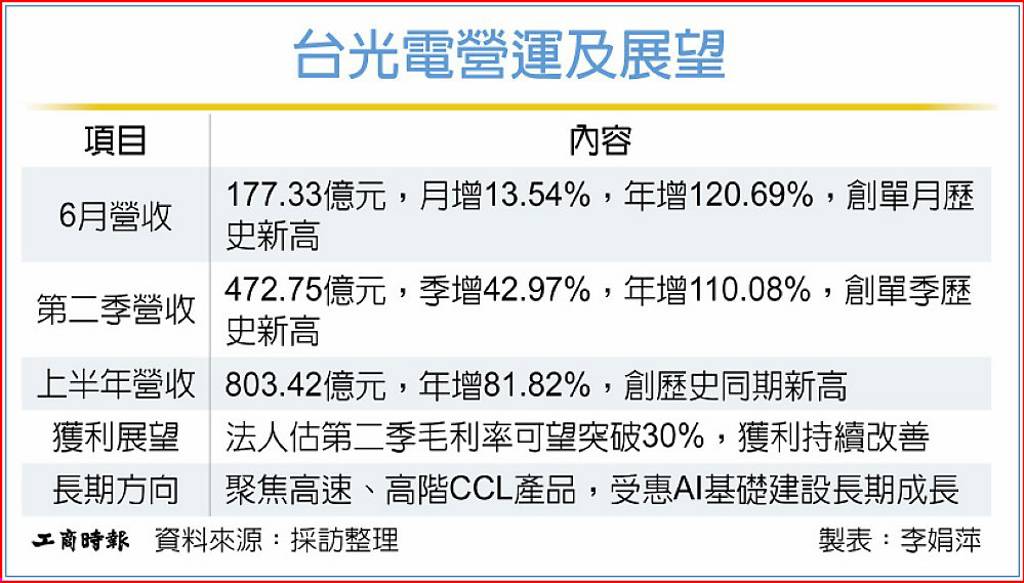
Sa Sa International Holdings Ltd. is ramping up store openings and restoring a full dividend payout after a sharp rebound in profit, underscoring management’s confidence in the recovery of Hong Kong and Macau’s beauty retail market. The cosmetics chain’s full-year sales rose 14.2% to HK$4.383 billion, while profit increased 1.6 times from a year earlier, allowing the group to boost its final dividend and return its payout ratio to 100%. Chairman and chief executive Simon Kwok said the stronger distribution reflects a “very strong” outlook, pointing to broad-based improvement in store traffic and spending.

Kwok said all key operating indicators in Hong Kong and Macau — including revenue, same-store sales, transaction volume, average ticket size and units per transaction — recorded year-on-year gains in the last financial year. Momentum has continued into the new year: in the first quarter of the current financial year, total revenue grew 24%, with offline sales up 30.9%. Hong Kong and Macau led with a 32.5% jump in offline sales, while Southeast Asia rose 17%. Online revenue slipped 3.2% overall, weighed by an 18.1% decline in mainland China, even as Hong Kong, Macau and Southeast Asia posted online growth.

On the back of the recovery, Sa Sa is reviving its brick‑and‑mortar expansion, particularly in tourist districts that were heavily rationalised during the downturn. The company plans to open 10 new stores in the current financial year; it has already added outlets in Mong Kok and Tsim Sha Tsui, including a large upstairs shop of about 6,000 to 7,000 square feet at the Mong Kok Man Wah Centre, on top of an existing ground‑floor unit. A store at the Airside mall in Kai Tak is slated to open in August, and another at Lok Ma Chau is planned to capture cross‑border traffic. Kwok said tourist‑area stores are now about half the number they once were, leaving “substantial room” to rebuild the network, though he stressed the group will not neglect local customers.

Store format will be a key part of the strategy. Kwok said he and his wife favour large outlets and that she has advocated opening flagship stores to serve both mainland and local shoppers in a more spacious, comfortable environment. Still, decisions between large and small formats will depend on rents and operating costs; smaller shops require less staff and investment. He said that while the opening of new outlets may “slightly” dilute same‑store sales metrics, the impact should be limited as long as locations and rental terms are carefully chosen. Footfall remains the main focus: “Only when there are people will there be revenue,” he said, adding that broader product assortment and competitive pricing should help underpin demand even as more drugstore and beauty chains enter the market.

Sa Sa also aims to stabilise and eventually grow its Southeast Asian operations, where the group ended the last financial year with 75 stores — 70 in Malaysia and five in Singapore. The region’s near‑term target is to achieve break‑even. Three of the five Singapore stores are already profitable, and Kwok said the company would consider opening more outlets there if suitable opportunities arise, noting that Singaporean sales growth was particularly strong in the second half of the year. The Malaysian business is described as stable, with management planning tighter cost control. Kwok played down concerns about competition from other travel destinations and cross‑border consumption trends, saying that Hong Kong remains convenient for many mainland visitors, some of whom come once or twice a month, and that the company’s breadth of products and pricing remain competitive.