Île-de-France : le pass Navigo Annuel fait son entrée sur Android après deux ans de retard
05.07.2026


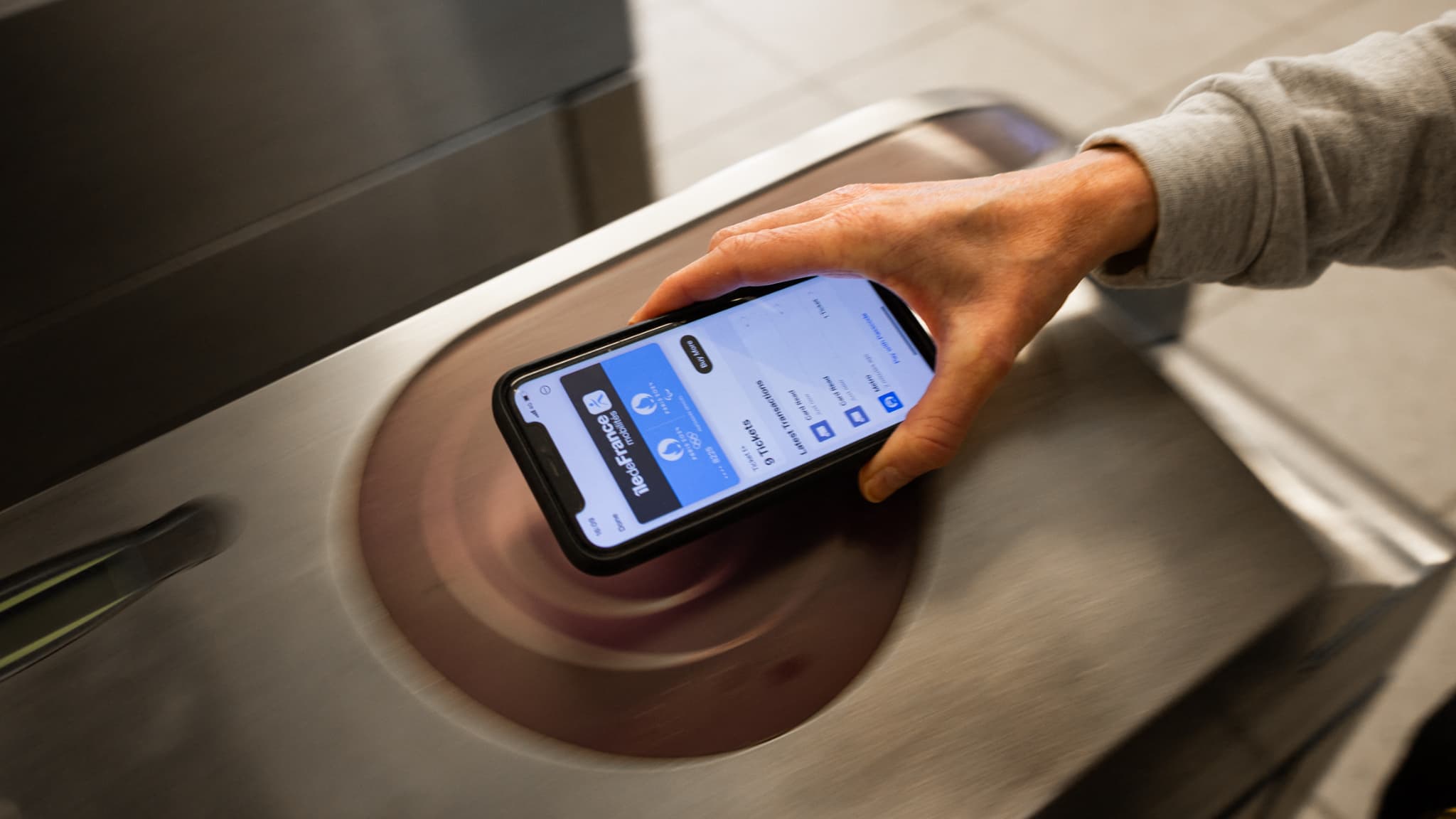
Depuis le 2 juillet 2026, le pass Navigo Annuel franchit une nouvelle étape dans sa dématérialisation en arrivant sur les smartphones Android. Les abonnés franciliens dotés d’un forfait annuel classique ou senior peuvent désormais transférer leur titre sur un mobile compatible et valider directement aux portiques avec leur téléphone, sans même avoir à le déverrouiller. Une évolution attendue de longue date par les usagers, alors que les tickets et forfaits courts (Jour, Semaine, Mois, Liberté+) étaient déjà passés au numérique.

Le déploiement concerne 1,3 million d’abonnés, qui paient 998 euros par an pour circuler sur l’ensemble des zones d’Île-de-France. Île-de-France Mobilités étale l’opération sur deux semaines afin de gérer progressivement les transferts de titres. Cette bascule du support physique vers le smartphone intervient deux ans après la dématérialisation du passe mensuel, un décalage expliqué par des contraintes techniques et réglementaires, notamment liées à la lutte contre la fraude, estimée à 700 millions d’euros par an dans les transports franciliens.

Si les détenteurs de smartphones Android sont les premiers servis, la bascule ne sera pas immédiate pour tous. Les utilisateurs d’iPhone et d’Apple Watch devront patienter jusqu’à septembre 2026 pour intégrer leur Navigo Annuel à leur appareil. Les 1,4 million d’étudiants titulaires du forfait Imagine R devront, eux, attendre septembre 2027 pour bénéficier du même niveau de dématérialisation. Île-de-France Mobilités assume ainsi un calendrier progressif et inégal selon les publics, après plusieurs reports qui avaient suscité l’exaspération d’une partie des usagers.

Concrètement, les abonnés éligibles doivent passer par l’application Île-de-France Mobilités. Une fois l’application installée, il leur faut se connecter à l’onglet « Mon Espace », puis sélectionner l’option « Transférer mon Navigo Annuel ». Si le profil est compatible, l’abonnement est basculé sur le smartphone, qui devient alors le titre de transport unique. Pour l’autorité organisatrice, cette étape marque « une nouvelle étape de la simplification des déplacements en Île-de-France », tout en s’inscrivant dans une stratégie plus large de modernisation des titres de transport et de réduction de la fraude.

Taiwan Prosecutors Widen Probe Into Alleged NT$159 Billion Cost Inflation at CPC LNG Project

05.07.2026


Taiwanese prosecutors have intensified an investigation into alleged large-scale budget inflation at state-owned CPC Corp.’s third liquefied natural gas receiving terminal, launching a fourth round of coordinated searches targeting construction contractor Royal Chang Construction Co. and related parties. The Taipei District Prosecutors Office ordered investigators from the Agency Against Corruption and the Investigation Bureau to fan out across 27 locations, summoning 14 people for questioning in connection with the Guantang LNG terminal’s offshore breakwater works.

The probe centers on claims that the budget for the Guantang terminal’s "outer extension" breakwater project was repeatedly marked up in a short period. According to an anonymous complaint backed by a key audio recording cited in multiple reports, the original estimate of about NT$94 billion ($2.9 billion) rose through at least four rounds of increases to a final contract value of NT$253 billion. The recording is said to suggest that the price escalation was driven from the CPC side, with a specified construction firm ultimately winning the contract under a "most advantageous tender" mechanism.

Prosecutors began looking into the case last year after receiving the anonymous submission. To secure documents and electronic records, they carried out three search operations between December and early January that covered CPC, engineering consultant CECI Engineering Consultants’ Taiwan unit, and residences and offices of individuals linked to the project, seizing materials from a total of 11 sites and bringing in former CECI chairman Shih Yi-fang and others for questioning. All those questioned in those rounds, as well as the 14 individuals brought in following the latest searches, were released after questioning as the investigation continues.

The scale and pace of the inquiry has drawn political scrutiny. Opposition lawmaker Lo Chih-chiang has criticized what he describes as slow progress in moving from initial complaints, which he says date back to 2022, to raids on the winning contractor, questioning why the latest search of Royal Chang came months after earlier actions against CPC and consultants. Lo has also highlighted CPC’s high leverage and reliance on state-backed financing as reasons for closer oversight of major capital spending. The Ministry of Economic Affairs said it had already conducted an administrative probe at the request of the Legislative Yuan and forwarded its findings to prosecutors in January, while CPC has pledged to keep cooperating with judicial authorities in an effort to clarify the facts.