Clark Freeport Zone has broken ground on a ₱674-million wastewater treatment facility designed to keep critical sanitation infrastructure in step with the area’s rapid commercial buildout. The 10-million-liter-per-day (MLD) plant will expand the existing Clark Centralized Wastewater Treatment Facility, bolstering capacity for both current locators and incoming investors in the former air base, now one of Luzon’s key economic hubs.
The project is being implemented by Clark Water Corp. in partnership with Clark Development Corp. (CDC), which manages the Clark Freeport Zone and Clark Special Economic Zone spanning Pampanga and Tarlac. CDC President and Chief Executive Officer Agnes VST Devanadera framed the expansion as central to Clark’s long-term strategy, linking it to the zone’s positioning as a “gateway to the Luzon Economic Corridor.” She underscored that while wastewater systems are largely out of sight, they underpin public health, environmental protection and, ultimately, investor confidence.
To meet rising demand and tighter environmental standards, the new facility will deploy Sequencing Batch Reactor (SBR) technology with Biological Nutrient Removal (BNR). An SBR is a fill-and-draw activated sludge system that processes wastewater in batches within a single tank, cycling through fill, react, settle and draw phases. This configuration allows BNR — the use of specialized microbes to remove nitrogen and phosphorus — to be integrated without separate secondary clarifiers, a setup aimed at improving treatment efficiency and regulatory compliance.
Manila Water Chief Operating Officer for the Non-East Zone Melvin Tan said the additional 10MLD capacity is intended not only to address current sewerage needs in the Clark Freeport Zone but also to ensure that future developments can be supported without straining sanitation services. CDC officials said the project followed technical studies and coordination to match the treatment system with the Freeport’s specific requirements. Representatives from CDC, Clark Water, the Department of Environment and Natural Resources’ Environmental Management Bureau in Region III, Manila Water Infratech Solutions, Hydroguard Systems Corp., and other partners joined the groundbreaking, signaling broad institutional backing for an infrastructure upgrade seen as vital to sustaining Clark’s growth trajectory.
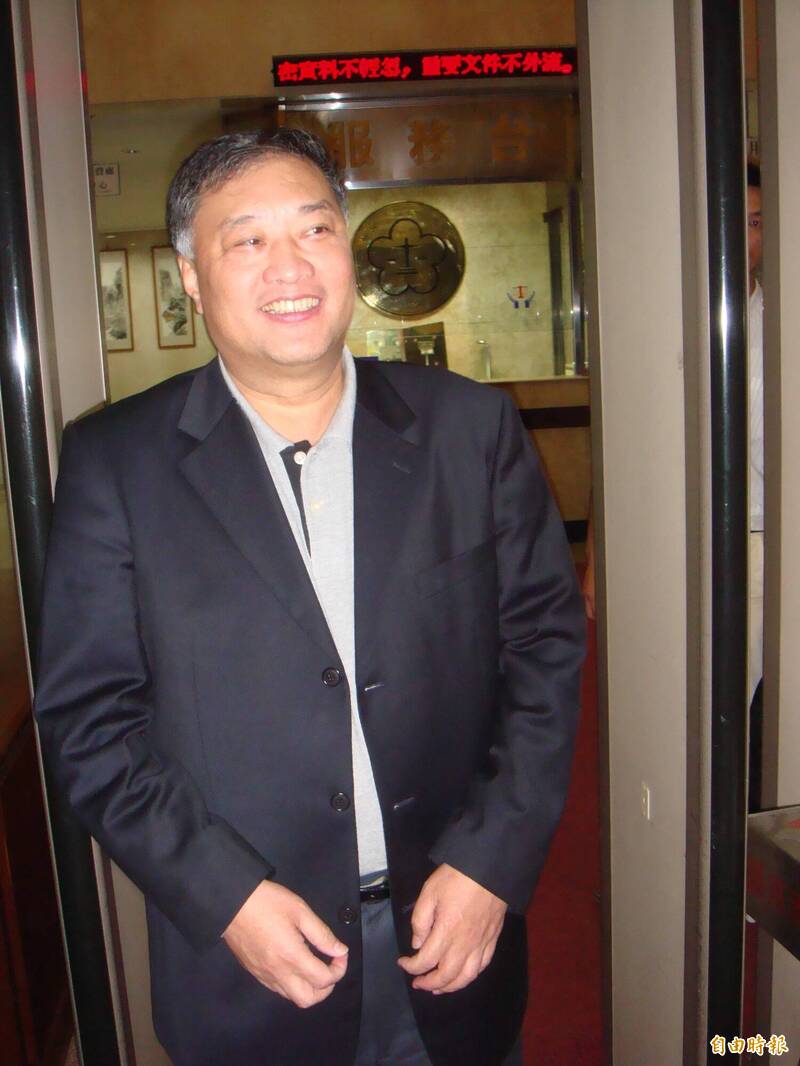
Sa Sa International Holdings Ltd. is ramping up store openings and restoring a full dividend payout after a sharp rebound in profit, underscoring management’s confidence in the recovery of Hong Kong and Macau’s beauty retail market. The cosmetics chain’s full-year sales rose 14.2% to HK$4.383 billion, while profit increased 1.6 times from a year earlier, allowing the group to boost its final dividend and return its payout ratio to 100%. Chairman and chief executive Simon Kwok said the stronger distribution reflects a “very strong” outlook, pointing to broad-based improvement in store traffic and spending.
Kwok said all key operating indicators in Hong Kong and Macau — including revenue, same-store sales, transaction volume, average ticket size and units per transaction — recorded year-on-year gains in the last financial year. Momentum has continued into the new year: in the first quarter of the current financial year, total revenue grew 24%, with offline sales up 30.9%. Hong Kong and Macau led with a 32.5% jump in offline sales, while Southeast Asia rose 17%. Online revenue slipped 3.2% overall, weighed by an 18.1% decline in mainland China, even as Hong Kong, Macau and Southeast Asia posted online growth.
On the back of the recovery, Sa Sa is reviving its brick‑and‑mortar expansion, particularly in tourist districts that were heavily rationalised during the downturn. The company plans to open 10 new stores in the current financial year; it has already added outlets in Mong Kok and Tsim Sha Tsui, including a large upstairs shop of about 6,000 to 7,000 square feet at the Mong Kok Man Wah Centre, on top of an existing ground‑floor unit. A store at the Airside mall in Kai Tak is slated to open in August, and another at Lok Ma Chau is planned to capture cross‑border traffic. Kwok said tourist‑area stores are now about half the number they once were, leaving “substantial room” to rebuild the network, though he stressed the group will not neglect local customers.
Store format will be a key part of the strategy. Kwok said he and his wife favour large outlets and that she has advocated opening flagship stores to serve both mainland and local shoppers in a more spacious, comfortable environment. Still, decisions between large and small formats will depend on rents and operating costs; smaller shops require less staff and investment. He said that while the opening of new outlets may “slightly” dilute same‑store sales metrics, the impact should be limited as long as locations and rental terms are carefully chosen. Footfall remains the main focus: “Only when there are people will there be revenue,” he said, adding that broader product assortment and competitive pricing should help underpin demand even as more drugstore and beauty chains enter the market.
Sa Sa also aims to stabilise and eventually grow its Southeast Asian operations, where the group ended the last financial year with 75 stores — 70 in Malaysia and five in Singapore. The region’s near‑term target is to achieve break‑even. Three of the five Singapore stores are already profitable, and Kwok said the company would consider opening more outlets there if suitable opportunities arise, noting that Singaporean sales growth was particularly strong in the second half of the year. The Malaysian business is described as stable, with management planning tighter cost control. Kwok played down concerns about competition from other travel destinations and cross‑border consumption trends, saying that Hong Kong remains convenient for many mainland visitors, some of whom come once or twice a month, and that the company’s breadth of products and pricing remain competitive.