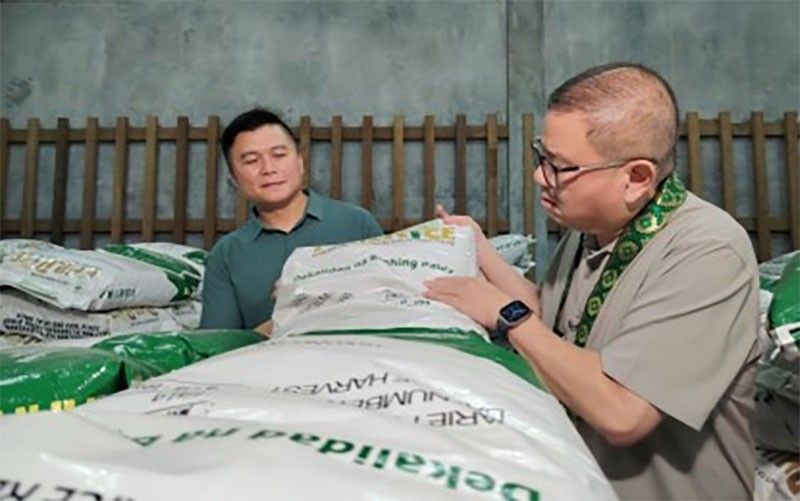
The Philippines is rolling out a nationwide network of seed storage facilities worth about ₱550 million in a bid to shield its agriculture sector and consumers from increasingly frequent climate shocks. The Department of Agriculture (DA) is positioning the so‑called seed vaults as critical infrastructure to keep high-quality planting materials on standby, enabling farmers to replant quickly after typhoons, droughts and other disruptions.
Agriculture Secretary Francisco Tiu Laurel Jr. said the DA has earmarked ₱250 million this year and plans to secure at least ₱300 million more in 2027 to build one seed storage system in each region. The move follows past supply imbalances, including an incident in Baguio where a shortage of carrot seeds after heavy rains pushed farmers to shift to cabbage, triggering a carrot shortfall and a glut of cabbage. The episode underscored how gaps in seed availability can cascade into price swings and hit farm incomes.
The flagship of the program is the National Seed Reserve Facility inaugurated at the Bureau of Plant Industry (BPI) compound in Quezon City. The upgraded complex includes three 400-square-meter storage rooms with capacity for around 9,000 bags of seeds, mainly rice, and runs partly on solar power—about 60% of its electricity needs—aimed at cutting operating costs and ensuring the vault remains functional during disruptions. BPI Director Glenn Panganiban described the project as a major step toward an integrated and reliable seed security system that supports regular planting programs, disaster response, rehabilitation and other government priorities.
Construction is under way on additional modern storage facilities in the Bicol region and Iloilo, with further sites planned in areas including Baguio, Laguna, Guimaras, Davao and Negros Occidental. DA officials say incorporating solar power across the warehouse network and making the vaults accessible to stakeholders will foster collaboration and help maintain seed quality and viability over longer periods. By building up buffer stocks nationwide, the agency aims to curb planting delays after calamities, speed up production recovery and reduce the risk of supply shocks that can fuel spikes in food prices.
Taiwanese prosecutors have intensified an investigation into alleged large-scale budget inflation at state-owned CPC Corp.’s third liquefied natural gas receiving terminal, launching a fourth round of coordinated searches targeting construction contractor Royal Chang Construction Co. and related parties. The Taipei District Prosecutors Office ordered investigators from the Agency Against Corruption and the Investigation Bureau to fan out across 27 locations, summoning 14 people for questioning in connection with the Guantang LNG terminal’s offshore breakwater works.
The probe centers on claims that the budget for the Guantang terminal’s "outer extension" breakwater project was repeatedly marked up in a short period. According to an anonymous complaint backed by a key audio recording cited in multiple reports, the original estimate of about NT$94 billion ($2.9 billion) rose through at least four rounds of increases to a final contract value of NT$253 billion. The recording is said to suggest that the price escalation was driven from the CPC side, with a specified construction firm ultimately winning the contract under a "most advantageous tender" mechanism.
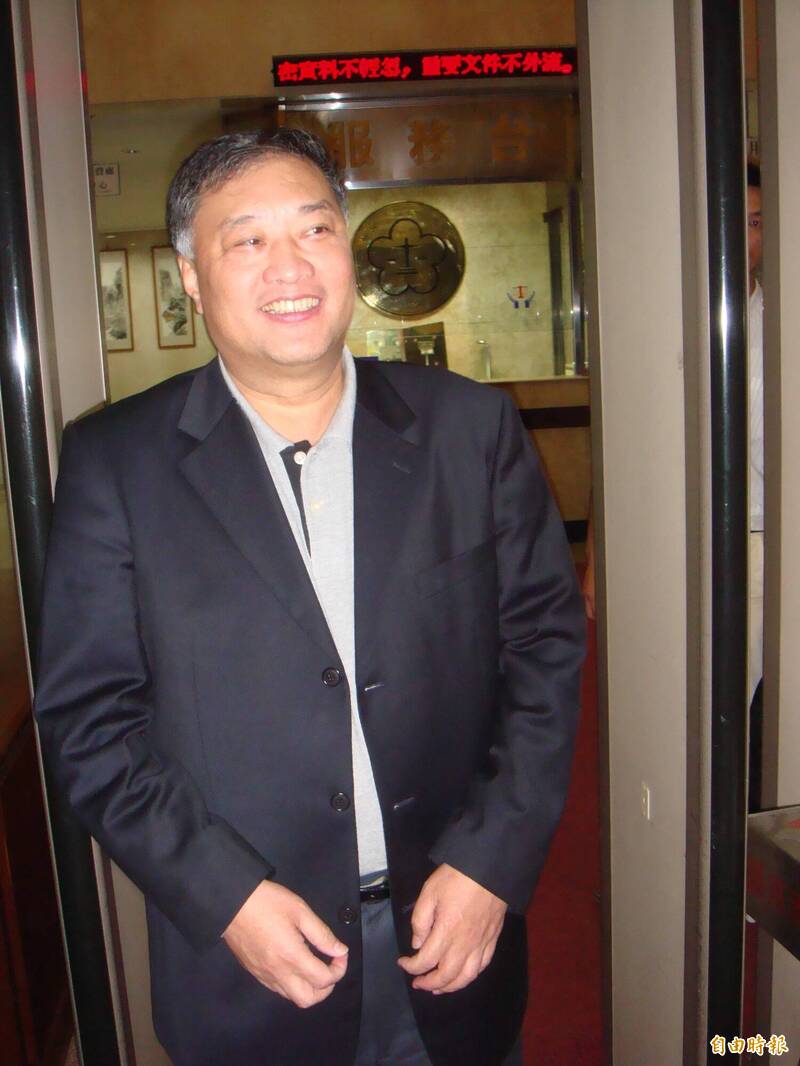
Prosecutors began looking into the case last year after receiving the anonymous submission. To secure documents and electronic records, they carried out three search operations between December and early January that covered CPC, engineering consultant CECI Engineering Consultants’ Taiwan unit, and residences and offices of individuals linked to the project, seizing materials from a total of 11 sites and bringing in former CECI chairman Shih Yi-fang and others for questioning. All those questioned in those rounds, as well as the 14 individuals brought in following the latest searches, were released after questioning as the investigation continues.
The scale and pace of the inquiry has drawn political scrutiny. Opposition lawmaker Lo Chih-chiang has criticized what he describes as slow progress in moving from initial complaints, which he says date back to 2022, to raids on the winning contractor, questioning why the latest search of Royal Chang came months after earlier actions against CPC and consultants. Lo has also highlighted CPC’s high leverage and reliance on state-backed financing as reasons for closer oversight of major capital spending. The Ministry of Economic Affairs said it had already conducted an administrative probe at the request of the Legislative Yuan and forwarded its findings to prosecutors in January, while CPC has pledged to keep cooperating with judicial authorities in an effort to clarify the facts.