Mixue Bingcheng, the Chinese beverage chain that has quietly grown into the world’s largest drink franchise by store count, is discovering the limits of its ultra-low-price model in two of Asia’s most watched consumer markets: Japan and Hong Kong. The company has used cheap ice cream and milk tea to blanket China’s lower-tier cities and sweep across Southeast Asia and other regions, building a network of about 60,000 outlets worldwide, including more than 5,000 overseas. Yet in Japan its expansion has stalled at just four stores, while in Hong Kong high retail rents have already forced closures in some of the city’s most coveted districts.
Mixue entered Japan in June 2023 with a flagship store on Tokyo’s Omotesando, positioning 100-yen drinks and ice cream as its calling card and outlining a five-year plan to cover major urban areas such as Tokyo, Osaka and Nagoya. That blueprint has not materialized. By June 2026 the brand had only four locations, mainly in areas popular with foreigners, with almost no presence in core residential neighborhoods or mainstream commercial hubs. The chain’s cornerstone advantage — extreme value — has struggled to gain traction in a country where convenience stores and ubiquitous vending machines already sell low-priced coffee and tea, and local beverage giants have dominated affordable categories for decades.
Operational realities have compounded the challenge. Japan’s high rents, labor costs and imported-ingredient expenses mean Mixue’s local pricing sits well above its China levels, diluting the appeal of its budget positioning. At the same time, the brand’s signature sweet milk teas and multi-topping fruit drinks clash with Japanese consumers’ preference for lighter, less sugary beverages. Initial curiosity and social media buzz around a new Chinese tea brand quickly faded, and customer traffic has come to depend heavily on Chinese residents, students and short-term tourists. Euromonitor International analyst Fujikawa notes that with cheap coffee readily available from vending machines and convenience stores, Chinese brands find it hard to turn low prices into a distinctive selling point in Japan.
The competitive backdrop is also less forgiving than in Mixue’s core markets. Japanese chains such as Doutor and other domestic coffee and milk-tea brands have spent years tailoring products to local tastes with low-sugar formulas, seasonal limited editions and desserts inspired by traditional wagashi, embedding themselves in daily routines. Japan’s regulatory and franchise environment further slows rapid rollouts: stringent franchise qualification and food-safety certifications make it difficult to replicate Mixue’s “fast franchise, fast expansion” playbook that has worked across China and Southeast Asia. Another Chinese low-price player, Cotti Coffee, which entered Japan around the same time and now operates about 18,000 stores worldwide in 28 markets, has similarly struggled to scale locally, keeping its Japanese network at roughly ten outlets.
In Hong Kong, Mixue’s challenge is less about taste than about real estate economics. The brand moved into the city in December 2023 and opened nine stores in its first year, including in the prime Tsim Sha Tsui and Mong Kok districts. One Tsim Sha Tsui site on Nathan Road, leased in 2024 at about HK$250,000 a month and recently relisted at HK$288,000, has since closed, sparking debate over whether a low-priced chain can survive in some of the world’s most expensive shopping streets. At a unit price of HK$9 per lemonade, the store would need to sell more than 30,000 cups a month just to cover rent; even with Hong Kong pricing nearly double that of mainland outlets, the numbers are punishing before staff, utilities and other costs are factored in.
Market perceptions have not helped. Some local residents and mainland professionals working in Hong Kong say they avoid Mixue, citing past food safety incidents reported in the city and the ease of traveling north to Shenzhen for cheaper versions of the same drinks. For many Hong Kong consumers, incomes are relatively high by regional standards and there is a strong appetite for novelty, but quality expectations are also elevated. Industry insiders point out that new stores often enjoy brief viral success before fading, as customers quickly move on when a concept falls short of expectations or fails to keep pace with shifting tastes.
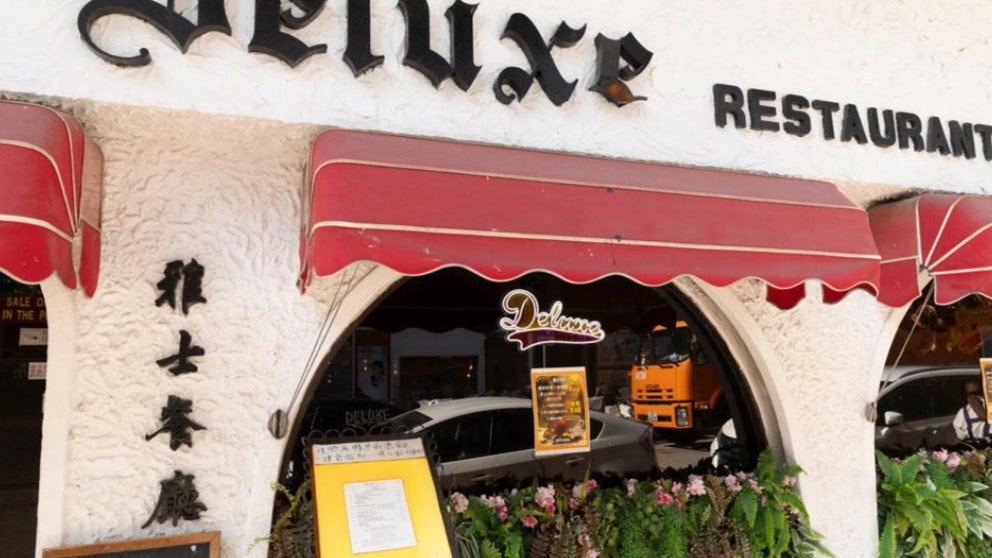
Mixue’s Hong Kong experience also reflects a broader shakeout in the city’s retail and dining scene. Years of high rents, followed by a pandemic-era collapse in tourist traffic and a structural shift in local spending patterns, have pushed many long-standing eateries and shops to close. Industry estimates suggest that more than 300 outlets shut or announced closures in 2025, including decades-old neighborhood institutions. Landlords in prime “旺区” locations have often been slow to cut rents, squeezing operators whose dinner trade has weakened and whose customers increasingly spend outside Hong Kong. In more residential, lower-rent districts, turnover is brisk, with old tenants leaving and new ones arriving, though some observers say overall store quality has declined as younger generations shy away from taking over family businesses.
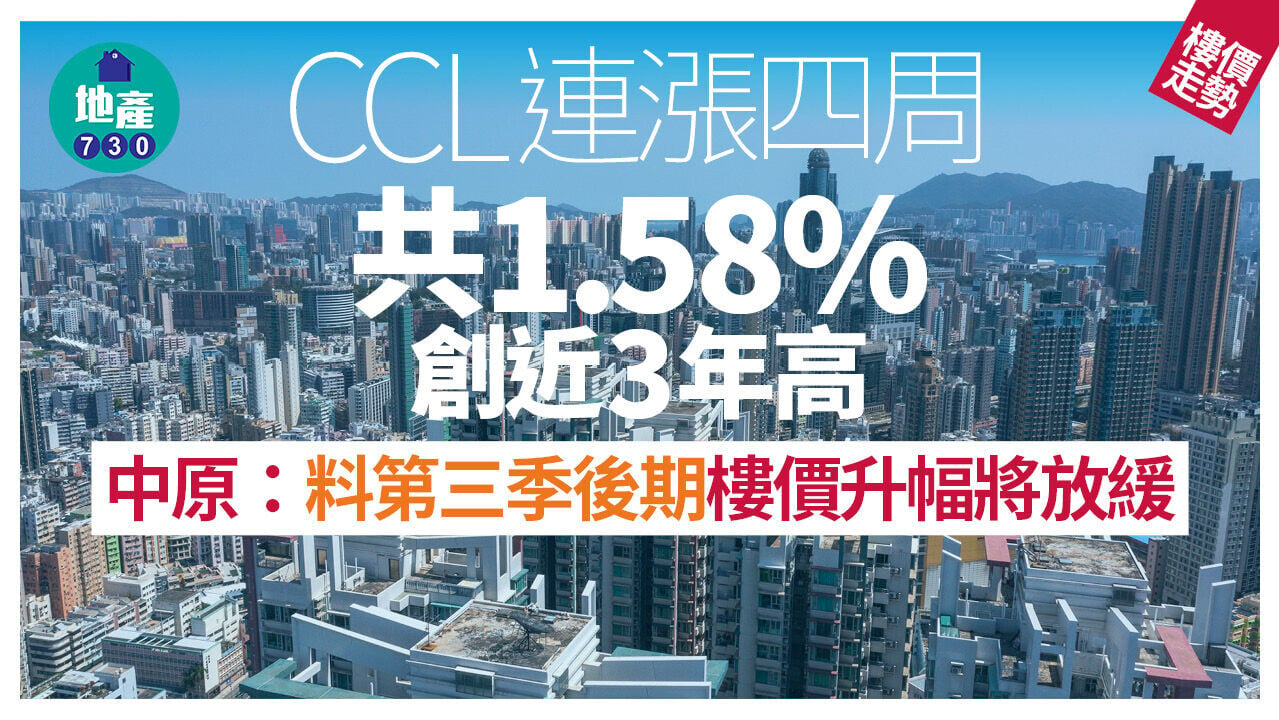
Paradoxically, the same rent correction that has undermined some older tenants has opened doors for a wave of mainland brands to “attack Hong Kong.” After pandemic shocks, core-area rents in districts such as Causeway Bay, Tsim Sha Tsui, Mong Kok and Central fell by roughly half from their peaks, according to past commercial property reports. That has enabled mass-market chains — from Mixue and rival tea brands like Chabaidao and Heytea to restaurant operators such as Tai Er and Nong Geng Ji — to secure flagship locations once dominated by global luxury houses. For these newcomers, prime Hong Kong addresses serve both as revenue generators and as high-visibility showcases for brand image.
Globally, Mixue’s setbacks in Japan and Hong Kong sit alongside far stronger performances elsewhere. In China, the company runs more than 55,000 outlets, with almost 60% in third-tier and smaller cities, backed by a self-built supply chain and a mature single-store profit model. Southeast Asia is its overseas stronghold, with around 2,600 stores in Indonesia and more than 1,300 in Vietnam, plus rapid rollouts in Malaysia, Thailand and Cambodia. There, a regional preference for sweeter drinks and a fragmented street-beverage landscape have allowed Mixue’s standardized, low-priced offerings to stand out and achieve citywide coverage, with many stores reporting robust daily sales. Newer markets from Hollywood and US college towns to Kazakhstan, Brazil and Mexico have also shown promise, particularly among younger consumers drawn to ice cream, fresh fruit teas and the novelty of Chinese-style milk tea.
Commentators in China see this contrast as a lesson in the complexities of “going global.” Mixue has become a case study in how a Chinese consumer brand, powered by a catchy jingle and a cartoon mascot, can turn an everyday product into a recognizable global symbol of China’s consumption upgrade. Yet its misfires in Japan and Hong Kong underline that overseas growth is not a matter of simply copying a domestic playbook. Differences in local taste, market structure, regulatory regimes and real estate economics demand deeper adaptation in products, pricing and operating models. For China’s expanding roster of beverage and coffee chains, the message is clear: scale and cost efficiency can open doors abroad, but long-term success will depend on how well they fit into the rhythms and expectations of each street they choose to serve.