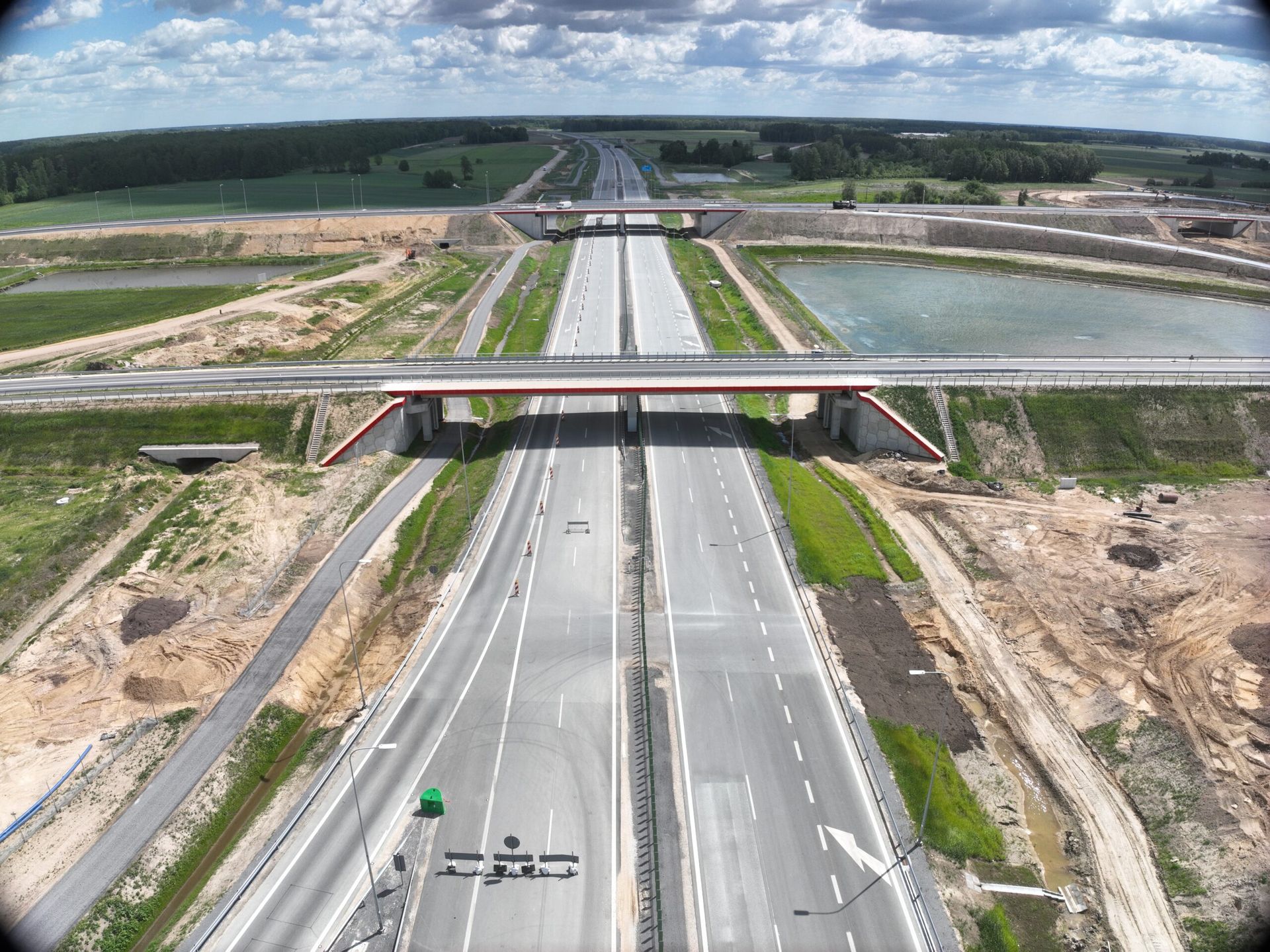
Generalna Dyrekcja Dróg Krajowych i Autostrad udostępniła kierowcom ostatni brakujący fragment autostrady A2 między Warszawą a Białą Podlaską. Chodzi o odcinek Siedlce–Łukowisko, który domyka około 140‑kilometrową trasę od węzła Lubelska na wschodnich obrzeżach stolicy do Białej Podlaskiej. Dzięki nowemu połączeniu czas przejazdu na tej relacji ma skrócić się z około trzech godzin do niewiele ponad jednej.
Budowa odcinka między Siedlcami a Białą Podlaską została podzielona na cztery fragmenty. W piątek oddano do ruchu dwa z nich: Siedlce Południe–Malinowiec oraz Malinowiec–Łukowisko. Ich łączna długość to 38,7 km, a wartość kontraktów sięgnęła 978 mln zł. Wcześniej kierowcy otrzymali do dyspozycji m.in. 8‑kilometrowy fragment od węzła Siedlce Południe do Siedlce Wschód, a pod koniec kwietnia – blisko 27‑kilometrową trasę między Łukowiskiem a Białą Podlaską.
Cały projekt A2 na odcinku Siedlce–Biała Podlaska, obejmujący cztery fragmenty o łącznej długości 65,4 km, kosztował blisko 3 mld zł. Ponad 1,3 mld zł z tej kwoty stanowiło dofinansowanie z funduszy Unii Europejskiej. Minister infrastruktury Dariusz Klimczak, obecny na otwarciu nowej trasy, podkreślił znaczenie inwestycji dla rozwoju gospodarczego wschodniej Polski, w tym dla przedsiębiorców i branży turystycznej.
Nowo oddana część autostrady posiada dwie jezdnie z dwoma pasami ruchu oraz rezerwę pod dobudowę trzeciego pasa w przyszłości. W ramach inwestycji powstały obiekty inżynierskie, drogi do obsługi ruchu lokalnego, system odwodnienia, oświetlenie, urządzenia ochrony środowiska i bezpieczeństwa ruchu drogowego, a także chodniki i ścieżki rowerowe. Na trasie funkcjonują trzy pary Miejsc Obsługi Podróżnych, a kolejne mają zostać udostępnione w lipcu, co ma dodatkowo zwiększyć funkcjonalność nowego odcinka głównej osi drogowej wschodniej części kraju.
Hong Kong is easing cross-border requirements for visiting yachts as the government accelerates efforts to position the city as an Asian hub for marine leisure and tourism. The Maritime Department has introduced three measures that simplify approval procedures and speed up customs and immigration handling for foreign-registered pleasure craft, targeting yacht owners in the Guangdong-Hong Kong-Macao Greater Bay Area and beyond.
At the core of the revamp is an upgraded electronic business system that went live on the day of the announcement. Owners or captains of visiting yachts can now open personal accounts directly on the platform, without going through a local agent. They can file vessel, crew and passenger information in advance for pre-clearance by relevant departments and complete customs procedures and payments online, in what officials describe as a one-stop digital process.
The Maritime Department is also relaxing berthing requirements that previously obliged visiting yachts to secure a berth at a privately operated marina or pier before entering Hong Kong. A new dynamic monitoring system allows eligible yachts equipped with an automatic identification system and very high frequency radio to navigate freely and anchor within designated areas, provided operations remain safe and orderly. Five anchorages for visiting yachts have been set aside at Stanley Bay, Tai Tam Bay, Repulse Bay, Kei Ling Ha in Sai Kung, and Tai O.
To make it easier for captains from mainland China to meet local qualification standards, Hong Kong has authorized relevant mainland institutions to run examinations on Hong Kong waters knowledge and approved seven training providers to offer recognized courses. The first cohort of mainland captains passed exams or completed training in mid-month, and authorities say they plan to extend the arrangement to overseas locations in due course. The government and the Maritime Department will monitor how the new regime operates and adjust it as needed, while pledging to work closely with mainland counterparts and the tourism industry to foster what they describe as a healthy, sustainable and competitive environment for Hong Kong’s yacht economy.