![]()
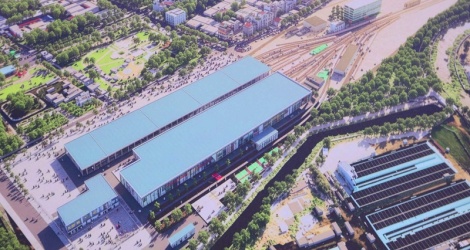
UBND TP.HCM vừa phê duyệt ranh giới lập quy hoạch 5 khu vực phát triển đô thị theo định hướng giao thông công cộng (TOD) xung quanh các nhà ga thuộc tuyến metro số 2 Bến Thành – Tham Lương. Tổng diện tích quy hoạch hơn 930 ha, bao phủ 10 nhà ga và khu depot Tham Lương, tạo hành lang đô thị mới kéo dài từ lõi trung tâm đến cửa ngõ Tây Bắc thành phố. Quyết định này được xem là bước chuẩn bị quan trọng về không gian đô thị trước khi tuyến metro gần 11,3 km, phần lớn đi ngầm, dự kiến hoàn thành vào năm 2030.
Theo các quyết định đã ban hành, khu TOD trung tâm gắn với ga Bến Thành và ga Tao Đàn có diện tích khoảng 188,6 ha, nằm trong khu lõi đô thị, kết nối trực tiếp với các trục giao thông chính và không gian công cộng quan trọng. Khu vực thứ hai, rộng hơn 265 ha, bao quanh các ga Dân Chủ, Hòa Hưng, Lê Thị Riêng, Phạm Văn Hai và Bảy Hiền, trải dài qua nhiều quận trung tâm và được định hướng khai thác hiệu quả quỹ đất, tăng cường kết nối giao thông công cộng.
Khu vực TOD thứ ba tập trung quanh ga Nguyễn Hồng Đào với quy mô gần 44 ha, trong khi khu vực thứ tư rộng gần 149 ha bao gồm các ga Bà Quẹo, Phạm Văn Bạch và Tây Thạnh, được xác định là đoạn phía Tây tuyến metro số 2, gắn với các hoạt động kinh tế, công nghiệp và logistics. Khu vực lớn nhất là ga và depot Tham Lương với diện tích gần 293 ha, được quy hoạch trở thành tổ hợp giao thông – kỹ thuật kết hợp không gian đô thị hỗn hợp, đóng vai trò đầu mối mới ở cửa ngõ Tây Bắc TP.HCM.
UBND TP.HCM lưu ý ranh giới các khu TOD có thể được điều chỉnh trong quá trình nghiên cứu lập quy hoạch nhằm phù hợp điều kiện thực tế và cơ sở pháp lý của các dự án liên quan. Trên cơ sở ranh quy hoạch đã được phê duyệt, Ban Quản lý phát triển đô thị thuộc Sở Quy hoạch – Kiến trúc được giao phối hợp đơn vị tư vấn khảo sát hiện trạng, tổ chức lập quy hoạch chi tiết trong thời hạn bốn tháng, sau đó trình cơ quan có thẩm quyền thẩm định và phê duyệt theo quy định.

Taiwanese prosecutors have intensified an investigation into alleged large-scale budget inflation at state-owned CPC Corp.’s third liquefied natural gas receiving terminal, launching a fourth round of coordinated searches targeting construction contractor Royal Chang Construction Co. and related parties. The Taipei District Prosecutors Office ordered investigators from the Agency Against Corruption and the Investigation Bureau to fan out across 27 locations, summoning 14 people for questioning in connection with the Guantang LNG terminal’s offshore breakwater works.
The probe centers on claims that the budget for the Guantang terminal’s "outer extension" breakwater project was repeatedly marked up in a short period. According to an anonymous complaint backed by a key audio recording cited in multiple reports, the original estimate of about NT$94 billion ($2.9 billion) rose through at least four rounds of increases to a final contract value of NT$253 billion. The recording is said to suggest that the price escalation was driven from the CPC side, with a specified construction firm ultimately winning the contract under a "most advantageous tender" mechanism.
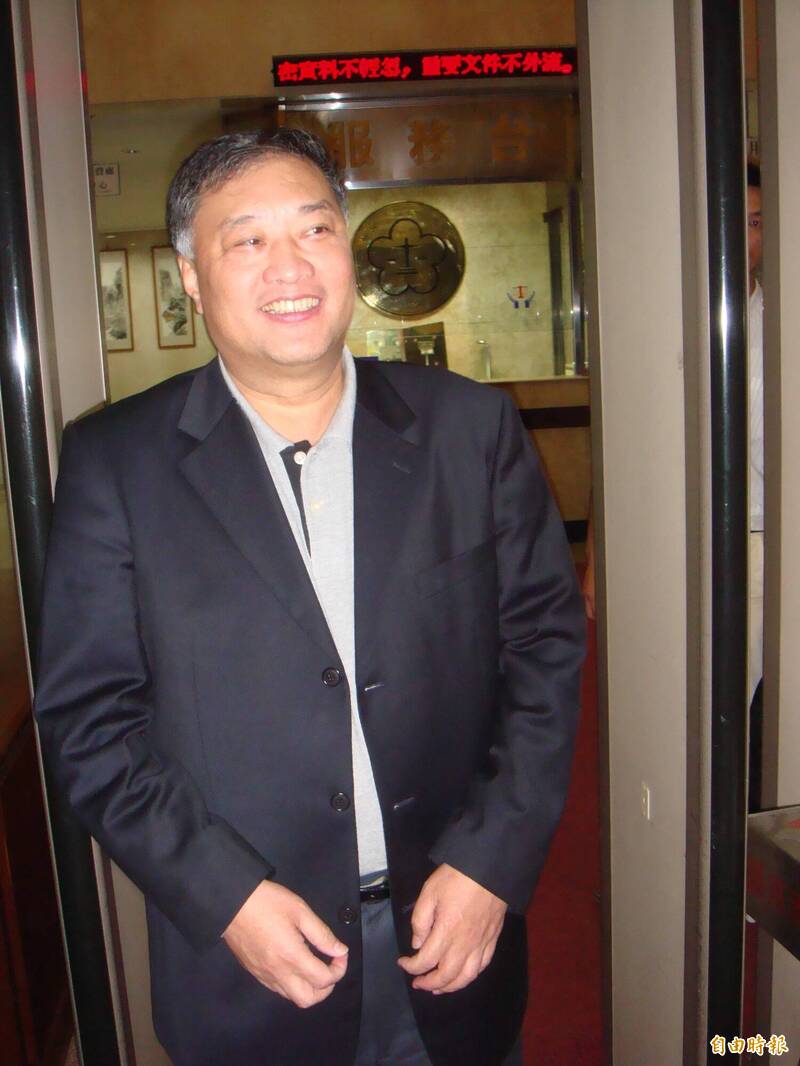
Prosecutors began looking into the case last year after receiving the anonymous submission. To secure documents and electronic records, they carried out three search operations between December and early January that covered CPC, engineering consultant CECI Engineering Consultants’ Taiwan unit, and residences and offices of individuals linked to the project, seizing materials from a total of 11 sites and bringing in former CECI chairman Shih Yi-fang and others for questioning. All those questioned in those rounds, as well as the 14 individuals brought in following the latest searches, were released after questioning as the investigation continues.
The scale and pace of the inquiry has drawn political scrutiny. Opposition lawmaker Lo Chih-chiang has criticized what he describes as slow progress in moving from initial complaints, which he says date back to 2022, to raids on the winning contractor, questioning why the latest search of Royal Chang came months after earlier actions against CPC and consultants. Lo has also highlighted CPC’s high leverage and reliance on state-backed financing as reasons for closer oversight of major capital spending. The Ministry of Economic Affairs said it had already conducted an administrative probe at the request of the Legislative Yuan and forwarded its findings to prosecutors in January, while CPC has pledged to keep cooperating with judicial authorities in an effort to clarify the facts.