Stellantis-Strategie: Opel erhält vier neue Modelle und Milliardenbudget für den Heimatmarkt
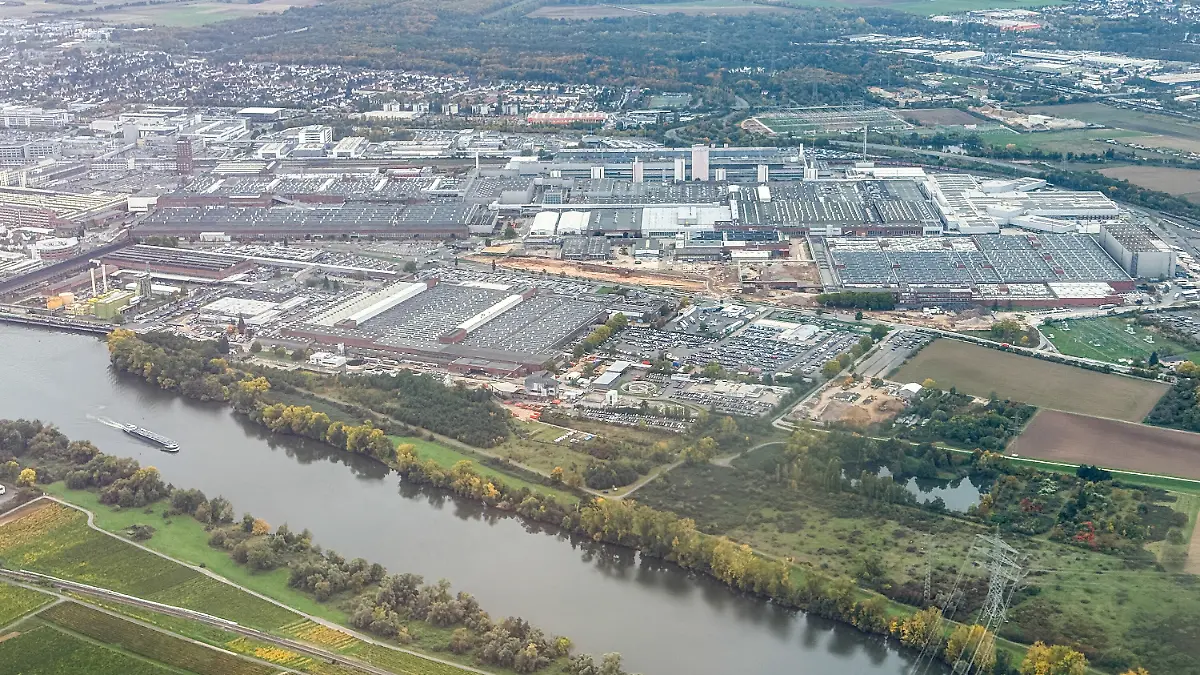
Opel schärft unter dem Dach des Stellantis-Konzerns seine Europa-Strategie und stellt den Stammsitz Rüsselsheim in den Mittelpunkt einer umfassenden E-Offensive. Bis 2030 will der Hersteller in Deutschland mehr als eine Milliarde Euro investieren und mindestens vier neue Modelle an den Start bringen. Kernprojekt ist die nächste Generation des Kompaktmodells Astra, die weiterhin in Rüsselsheim vom Band laufen soll und auf der neuen Konzernplattform STLA One basiert, die für elektrifizierte Antriebe ausgelegt ist. Zugleich soll die traditionsreiche Baureihe konzeptionell moderner werden und sich teilweise in Richtung Fastback und Crossover bewegen.
Die Neuausrichtung des Astra markiert einen strategischen Schritt für Opel. Das Modell, das zusammen mit seinem Vorgänger Kadett auf rund 25 Millionen ausgelieferte Fahrzeuge kommt, war jahrzehntelang eine klassische Kompaktlimousine. Angesichts der anhaltend starken Nachfrage nach SUV- und Crossover-Konzepten soll die künftige Generation stärker an diese Formate anknüpfen, ohne die Rolle als volumenstarker Vertreter der Kompaktklasse aufzugeben. Parallel bleibt laut bisherigen Planungen auch eine Kombivariante im Programm. Technische Basis ist die modulare STLA-One-Architektur von Stellantis, die konzernweit mehr als 30 Modelle tragen soll und den Übergang zu elektrifizierten Antrieben beschleunigen dürfte.
Neben dem Astra-Nachfolger arbeitet Opel an einer neuen Generation des Kleinwagens Corsa, der in Deutschland seit mehr als fünf Jahren als meistverkauftes Modell seines Segments gilt und sich über insgesamt mehr als 15 Millionen Einheiten summiert. Auch der künftige Corsa wird auf der STLA-One-Plattform aufbauen. Ergänzt wird die Modelloffensive um ein neues SUV im C-Segment, das bislang im Portfolio der Marke fehlt. Dieses Fahrzeug entsteht in Kooperation mit dem chinesischen Partner Leapmotor, wird von internationalen Teams in Deutschland und China entwickelt, in Rüsselsheim gestaltet und soll ab 2028 im spanischen Werk Saragossa produziert werden.
Für Stellantis gilt das C-Segment mit einem Anteil von rund 30 Prozent am europäischen Gesamtabsatz als strategischer Kernbereich. Die Entscheidung, den nächsten Astra in Rüsselsheim zu bauen und zusätzlich in eine neue Unternehmenszentrale am Standort zu investieren, wertet der Konzern als Bekenntnis zu Deutschland als Industriestandort. Opel-CEO Florian Huettl und Stellantis-Europa-Chef Emanuele Cappellano verweisen auf die Bedeutung von Opel innerhalb der Konzernstrategie und auf das Ziel, die Marktabdeckung in Europa zu verbessern. Mit der Kombination aus umfassenden Investitionen, neuer Elektroplattform und einer breiter aufgestellten Modellpalette will Opel seine Position im hart umkämpften Kompakt- und Kleinwagensegment festigen.