EDF prolonge l’aventure olympique de Paris 2024 aux Alpes 2030
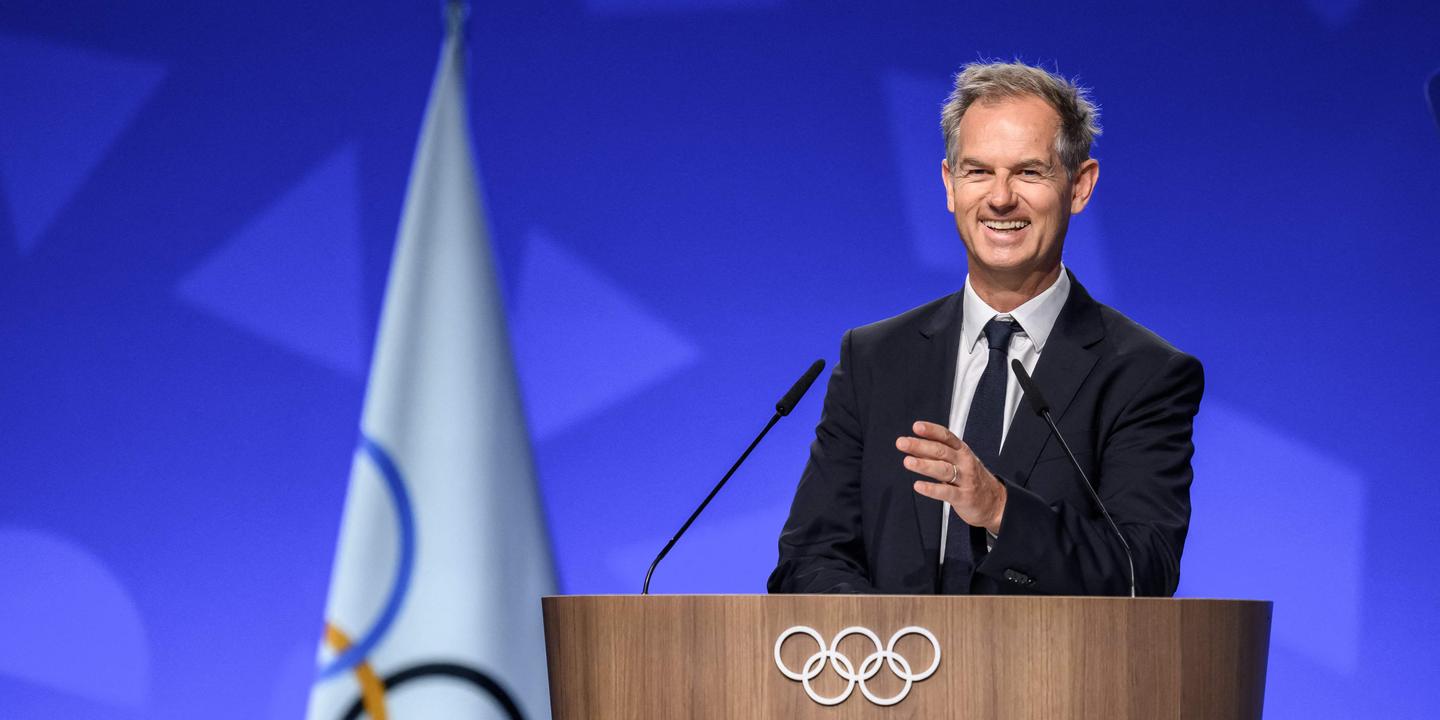
EDF prend la tête de file des partenaires des Jeux olympiques et paralympiques d’hiver 2030 dans les Alpes françaises. L’énergéticien est devenu le premier partenaire « premium » et « fondateur » du comité d’organisation, prolongeant ainsi son engagement après Paris 2024. L’accord, conclu ces derniers jours et officialisé jeudi 2 juillet, marque une étape clé pour le Comité d’organisation des Jeux olympiques et paralympiques (Cojop), qui cherche à enclencher la dynamique de financement de l’événement.
Le partenariat a été dévoilé au barrage du Chevril à Tignes, le plus haut de France, symbole assumé de la stratégie énergétique du projet. « Nous voulons mettre toute notre expertise au service d’une ambition commune : faire de ces Jeux un accélérateur de la transition énergétique des territoires de montagne », a déclaré Bernard Fontana, PDG d’EDF. Le groupe entend notamment « accompagner l’électrification des mobilités, en particulier vers et dans les stations de montagne », dans un contexte où la réduction de l’empreinte carbone des grands événements sportifs est devenue un enjeu central.
Ni la durée précise ni le montant du contrat n’ont été rendus publics. Pour Paris 2024, la contribution d’EDF avait été estimée à plus de 100 millions d’euros. Pour les Alpes 2030, le Cojop vise un total de 590 millions d’euros de partenariats, dont EDF constitue la première pierre. Après une séquence marquée par une crise de gouvernance et un calendrier jugé particulièrement serré, cet accord est perçu par les organisateurs comme « le coup d’envoi d’une dynamique qui ouvre des perspectives ».
Ce nouveau jalon intervient alors que le projet Alpes 2030 enchaîne les décisions structurantes : présentation des emblèmes à Briançon, validation du ski-alpinisme au programme par le Comité international olympique et finalisation de la carte des sites, notamment autour de stations historiques comme Val d’Isère. Sous la présidence d’Edgar Grospiron, le comité d’organisation cherche désormais à capitaliser sur l’effet d’entraînement du partenariat EDF pour attirer d’autres grands sponsors et consolider la trajectoire budgétaire et environnementale des Jeux d’hiver dans les Alpes françaises.