DPR Desak Regulasi Ketat Lindungi UMKM dari Pembekuan Saldo di Platform Digital

05.07.2026


Komisi VII DPR RI mengintensifkan tekanan kepada pemerintah dan pelaku usaha ekonomi digital menyusul maraknya aduan pembekuan saldo dan akun para penjual online, khususnya di TikTok Shop. Anggota Komisi VII, Novita Hardini, mendesak Kementerian Usaha Mikro Kecil Menengah (UMKM) memperkuat regulasi perlindungan bagi pelaku usaha kecil di ekosistem perdagangan elektronik. Menurut dia, negara harus kembali "berdaulat atas produk-produknya sendiri" dan memastikan UMKM tidak hanya kalah dalam persaingan bisnis, tetapi juga tidak dirugikan oleh sistem digital yang seharusnya melindungi mereka.

Dalam Rapat Dengar Pendapat (RDP) di Senayan yang menghadirkan Kementerian UMKM dan Peradi DPC Bekasi, Novita mengkritik keras kasus pembekuan saldo sepihak terhadap para seller TikTok Shop. Ia menilai insiden tersebut menggambarkan lemahnya perlindungan negara terhadap pelaku UMKM di era ekonomi digital. Dana hasil penjualan, tegasnya, merupakan urat nadi keberlangsungan usaha kecil, sehingga penahanan saldo bukan sekadar isu administratif melainkan menyentuh langsung keberlangsungan hidup jutaan pelaku dan keluarga mereka.

Wakil Ketua Komisi VII DPR, Evita Nursanty, menyatakan DPR akan memanggil sejumlah platform e-commerce untuk meminta penjelasan dan mencari solusi yang dianggap adil bagi para pelaku UMKM. TikTok dan Tokopedia menjadi pihak yang diprioritaskan untuk dimintai keterangan terkait ratusan aduan pembekuan akun dan saldo, disusul rencana pemanggilan Shopee, Kementerian Komunikasi dan Digital, Kementerian Perdagangan, serta Komisi Pengawas Persaingan Usaha. Komisi VII menegaskan tidak akan berhenti pada satu sisi cerita dan akan mendengar langsung paparan dari pihak yang diadukan sebelum merumuskan langkah kebijakan berikutnya.

Novita menekankan bahwa persoalan ini tidak bisa semata-mata dibebankan kepada platform digital, sebab kasus tersebut juga mengindikasikan lemahnya pengawasan negara terhadap keseluruhan ekosistem perdagangan elektronik. Ia turut menyoroti dampak merger Tokopedia dengan TikTok yang dinilai belum menunjukkan keberpihakan nyata terhadap produk lokal, di tengah harapan bahwa platform digital seharusnya menjadi ruang akselerasi bagi UMKM. Di sisi lain, Evita menambahkan, diperlukan regulasi yang jelas dan tegas bagi marketplace maupun platform digital agar persoalan serupa tidak berulang dan tidak terus merugikan pelaku usaha kecil.

Sa Sa Leans Into Large-Format Stores as Hong Kong Retail Rebounds

05.07.2026


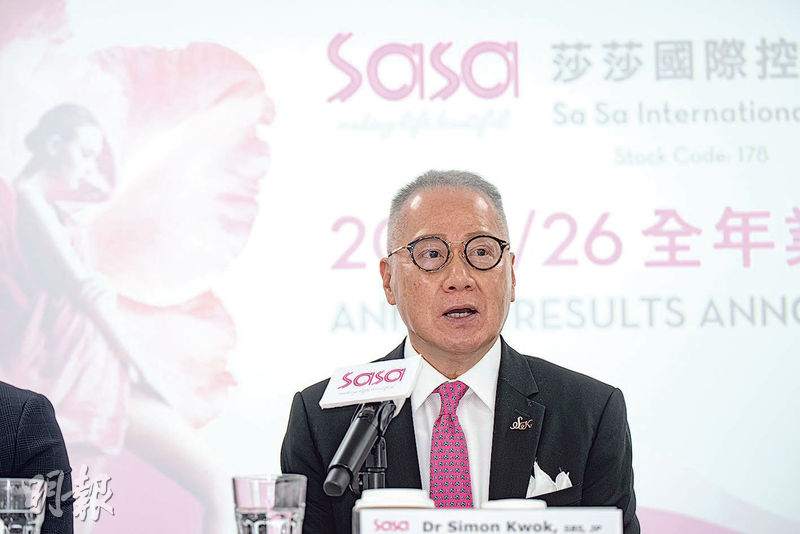
Sa Sa International Holdings Ltd. is ramping up store openings and restoring a full dividend payout after a sharp rebound in profit, underscoring management’s confidence in the recovery of Hong Kong and Macau’s beauty retail market. The cosmetics chain’s full-year sales rose 14.2% to HK$4.383 billion, while profit increased 1.6 times from a year earlier, allowing the group to boost its final dividend and return its payout ratio to 100%. Chairman and chief executive Simon Kwok said the stronger distribution reflects a “very strong” outlook, pointing to broad-based improvement in store traffic and spending.

Kwok said all key operating indicators in Hong Kong and Macau — including revenue, same-store sales, transaction volume, average ticket size and units per transaction — recorded year-on-year gains in the last financial year. Momentum has continued into the new year: in the first quarter of the current financial year, total revenue grew 24%, with offline sales up 30.9%. Hong Kong and Macau led with a 32.5% jump in offline sales, while Southeast Asia rose 17%. Online revenue slipped 3.2% overall, weighed by an 18.1% decline in mainland China, even as Hong Kong, Macau and Southeast Asia posted online growth.

On the back of the recovery, Sa Sa is reviving its brick‑and‑mortar expansion, particularly in tourist districts that were heavily rationalised during the downturn. The company plans to open 10 new stores in the current financial year; it has already added outlets in Mong Kok and Tsim Sha Tsui, including a large upstairs shop of about 6,000 to 7,000 square feet at the Mong Kok Man Wah Centre, on top of an existing ground‑floor unit. A store at the Airside mall in Kai Tak is slated to open in August, and another at Lok Ma Chau is planned to capture cross‑border traffic. Kwok said tourist‑area stores are now about half the number they once were, leaving “substantial room” to rebuild the network, though he stressed the group will not neglect local customers.

Store format will be a key part of the strategy. Kwok said he and his wife favour large outlets and that she has advocated opening flagship stores to serve both mainland and local shoppers in a more spacious, comfortable environment. Still, decisions between large and small formats will depend on rents and operating costs; smaller shops require less staff and investment. He said that while the opening of new outlets may “slightly” dilute same‑store sales metrics, the impact should be limited as long as locations and rental terms are carefully chosen. Footfall remains the main focus: “Only when there are people will there be revenue,” he said, adding that broader product assortment and competitive pricing should help underpin demand even as more drugstore and beauty chains enter the market.

Sa Sa also aims to stabilise and eventually grow its Southeast Asian operations, where the group ended the last financial year with 75 stores — 70 in Malaysia and five in Singapore. The region’s near‑term target is to achieve break‑even. Three of the five Singapore stores are already profitable, and Kwok said the company would consider opening more outlets there if suitable opportunities arise, noting that Singaporean sales growth was particularly strong in the second half of the year. The Malaysian business is described as stable, with management planning tighter cost control. Kwok played down concerns about competition from other travel destinations and cross‑border consumption trends, saying that Hong Kong remains convenient for many mainland visitors, some of whom come once or twice a month, and that the company’s breadth of products and pricing remain competitive.