76 proc. chce kupować od rolnika. Model handlu żywnością pod lupą
05.07.2026


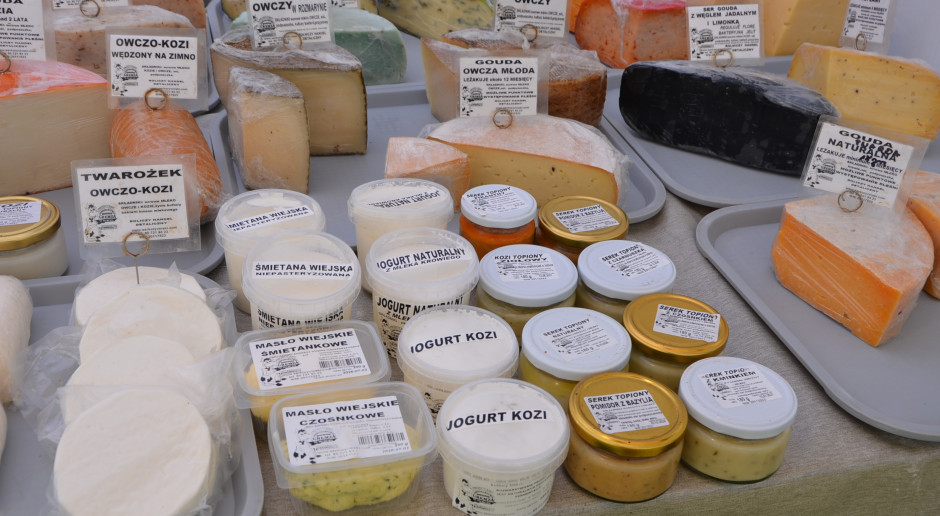
Polscy konsumenci coraz wyraźniej sygnalizują, że chcą kupować żywność bliżej źródła. Z badania przeprowadzonego na zlecenie Instytutu Strategii Żywnościowych Grunt wynika, że 76 proc. Polaków chciałoby robić zakupy bezpośrednio u rolnika. Aż 78 proc. ankietowanych deklaruje gotowość dopłaty do produktów wyższej jakości – także wśród osób, które swoją sytuację materialną określają jako trudną. Rosnące znaczenie mają jakość, skład, smak, świeżość oraz lokalne pochodzenie produktów.

Te preferencje konsumentów zderzają się jednak z ograniczoną dostępnością bezpośredniej sprzedaży. Obecnie 24 proc. badanych regularnie odwiedza targi i bazary, a 17 proc. kupuje bezpośrednio od rolników co najmniej raz w tygodniu. Kolejne 23 proc. deklaruje, że chciałoby zacząć kupować w ten sposób, ale nie ma takiej możliwości lub nie wie, gdzie znaleźć producentów. Tyle samo, bo 23 proc. respondentów, ma bazar w zasięgu 15‑minutowego spaceru, podczas gdy 35 proc. uważa targowisko za jeden z kluczowych elementów dobrze funkcjonującego sąsiedztwa.

Autorzy raportu zwracają uwagę, że mimo ekspansji dyskontów „wciąż brakuje miejsc, w których moglibyśmy kupować lokalne produkty”, co ich zdaniem jest sygnałem, że dotychczasowy model handlu wymaga zmian. Badanie pokazuje też wyraźną hierarchię zaufania do różnych formatów sprzedaży: bardzo wysoki poziom zaufania do targowisk i bazarów deklaruje 32 proc. ankietowanych, do sklepów specjalistycznych – 27 proc., podczas gdy w przypadku dyskontów i supermarketów wskaźnik ten wynosi 8 proc. Jednocześnie 77 proc. respondentów uważa, że samorządy powinny aktywnie wspierać dostęp mieszkańców do lokalnie produkowanej żywności.

Coraz więcej władz lokalnych zaczyna wpisywać te oczekiwania w swoje strategie rozwoju. Autorzy publikacji podają jako przykład Rzeszów, który planuje rozbudowę przestrzeni sprzedaży dla lokalnych producentów oraz tworzenie krótkich łańcuchów dostaw – od rolnika do szkół, przedszkoli i innych instytucji publicznych. Z kolei Kraków rozwija współpracę z lokalnymi wytwórcami i organizacjami społecznymi, inwestuje w modernizację targowisk oraz realizuje projekty związane z miejską polityką żywnościową. W ocenie twórców raportu żywność staje się dobrem strategicznym, a lokalne rynki wymagają aktywnego wsparcia, aby popyt zgłaszany przez konsumentów mógł zostać w pełni zagospodarowany.


CCL Breaks Above 160 as Hong Kong Property Extends Five-Week Rally

05.07.2026


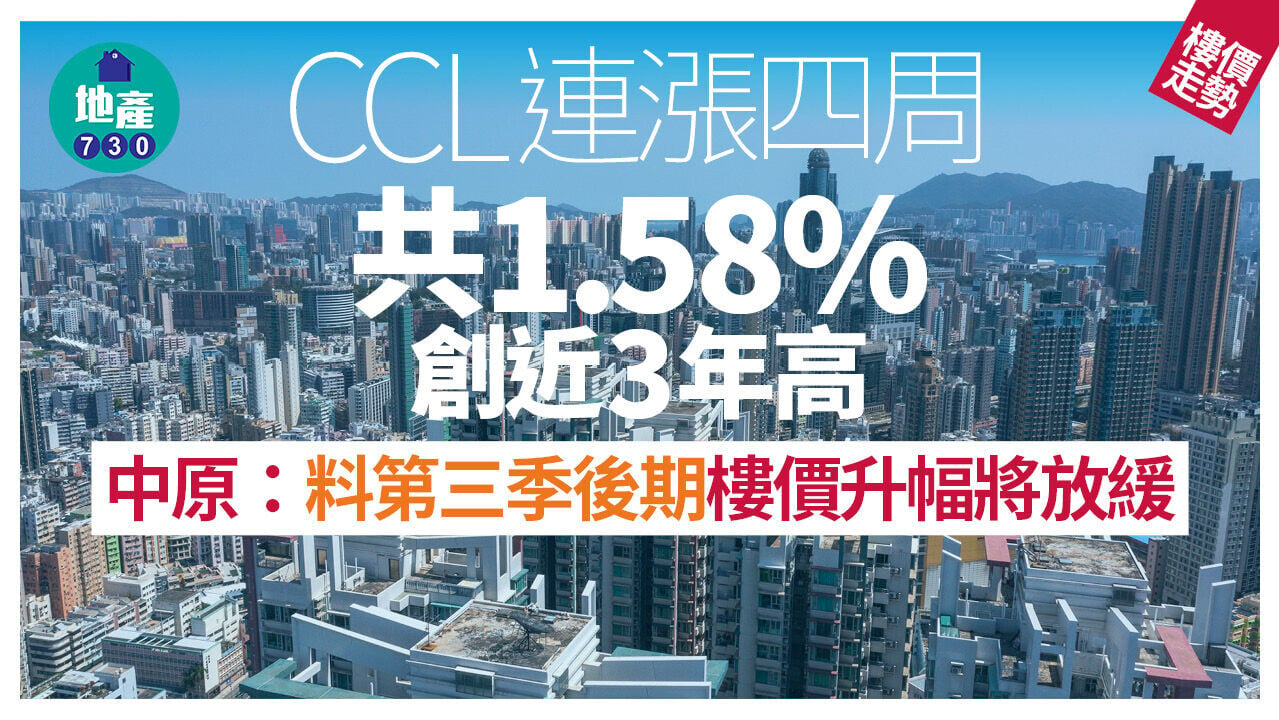
Hong Kong home prices notched their strongest half-year performance in eight years, with a widely watched index breaking above the 160 mark and approaching a near three-year high. The latest reading of the Centa-City Leading Index (CCL), which tracks secondary residential prices, climbed 0.52% week-on-week to 160.77, marking a fifth consecutive weekly gain and a cumulative rise of 2.11% over that period. The level is the highest since early September 2023, or 147 weeks.

Measured over the first six months of the year, the CCL advanced 11.56%, the biggest half-year increase since a 13.2% jump in the first half of 2018. The gain sharply outstripped the 4.7% rise recorded for the whole of 2025, exceeding that full-year performance by 6.86 percentage points. Centaline Property’s research department attributes the turnaround to a decline in HIBOR from May 2025 and two rounds of local bank rate cuts last year, which together helped prices bottom out and reverse course. From the low of 135.16 points when H‑rate mortgages again fell below their cap in May last year, the CCL has now risen 18.95%; compared with the 134.89 level before the March 2025 budget, it is up 19.19%. The index is now 18.34% above its level before the first rate cut in September 2024, and its gap from the historic peak of 191.34 in August 2021 has narrowed to 15.98%.

The latest advance has been broad-based across market segments. The CCL Mass, covering large housing estates, rose 0.43% week-on-week to 162.19, extending its climb for a third week and accumulating a 1.60% gain to the highest level since late August 2023. The sub-index for small and medium-sized units rose 0.50% to 160.78, also up for three straight weeks and 1.62% higher over that stretch, while the large-unit index gained 0.61% to 160.71, its fourth weekly rise in a row and a 3.64% gain over that period. On a half-year basis, all eight major price indices increased, with six of them advancing more than 10%. The overall CCL was up 11.56%, CCL Mass 11.72%, small and medium units 11.56% and large units 11.53%.

By district, Hong Kong Island outperformed the rest of the city by a wide margin, underscoring a pronounced “luxury effect” in the current upcycle. The Island’s mass-housing index climbed 1.41% in the latest week to 164.11, its third straight weekly gain and a 3.78% advance over that period, reaching a 149-week high dating back to mid-August 2023. Over the first half, Island prices surged 17.09%, compared with gains of 11.33% in Kowloon, 8.71% in New Territories East and 9.17% in New Territories West. In the latest week, New Territories West rose 0.39% to 144.9, a high not seen since early October 2023, while New Territories East edged up 0.15% to 172.43, near its early-September 2023 peak. Kowloon slipped 0.1% to 161.13 but remained at its second-highest level since early July 2023.

Despite the sharp rebound in prices, Centaline’s research team expects the pace of appreciation to moderate in the coming months. They cite a pullback in Hong Kong equities, a slower launch pipeline for new developments, more hardline pricing stances among second-hand sellers and a visible drop in transaction volumes, alongside the possibility of US rate hikes, as factors likely to cap further gains. The firm is targeting 165 points for the CCL in the third quarter, implying a further rise of 4.23 points, or about 2.63%, from current levels.