UK Sees Supply-Chain Gains as Philippines Joins CPTPP Accession Pipeline
The Comprehensive and Progressive Agreement for Trans-Pacific Partnership is moving toward a new phase of expansion, with member economies agreeing to start preparatory discussions on potential accession by the Philippines, Indonesia and the United Arab Emirates. The decision was taken at the 10th CPTPP Commission Meeting, held virtually on June 26, where ministers confirmed that all three economies would enter an initial discussion track rather than formal negotiations.
The United Kingdom, which joined the CPTPP in 2024, has positioned itself as a vocal supporter of Manila’s bid. UK Deputy Trade Commissioner for Asia Pacific (Southeast Asia) Rhiannon Harries said London had “strongly supported” the Philippines’ application, noting that the move builds on a joint ministerial statement from November 2025 that first flagged interest in the Philippines, Indonesia and the UAE. British officials say a successful Philippine accession could mean lower tariffs, simpler trading rules and stronger supply chains for businesses in both economies, particularly in sectors such as apparel and textiles.
Officials on all sides stress that the current phase is exploratory rather than binding. Preparatory discussions are designed to deepen engagement on the agreement’s standards and clarify how prospective members measure up to CPTPP rules across its 22 chapters, without guaranteeing either accession or the launch of formal talks. For sourcing and trade teams in member and aspiring economies, the process will be watched closely as an indicator of whether these early contacts evolve into a full accession pathway.
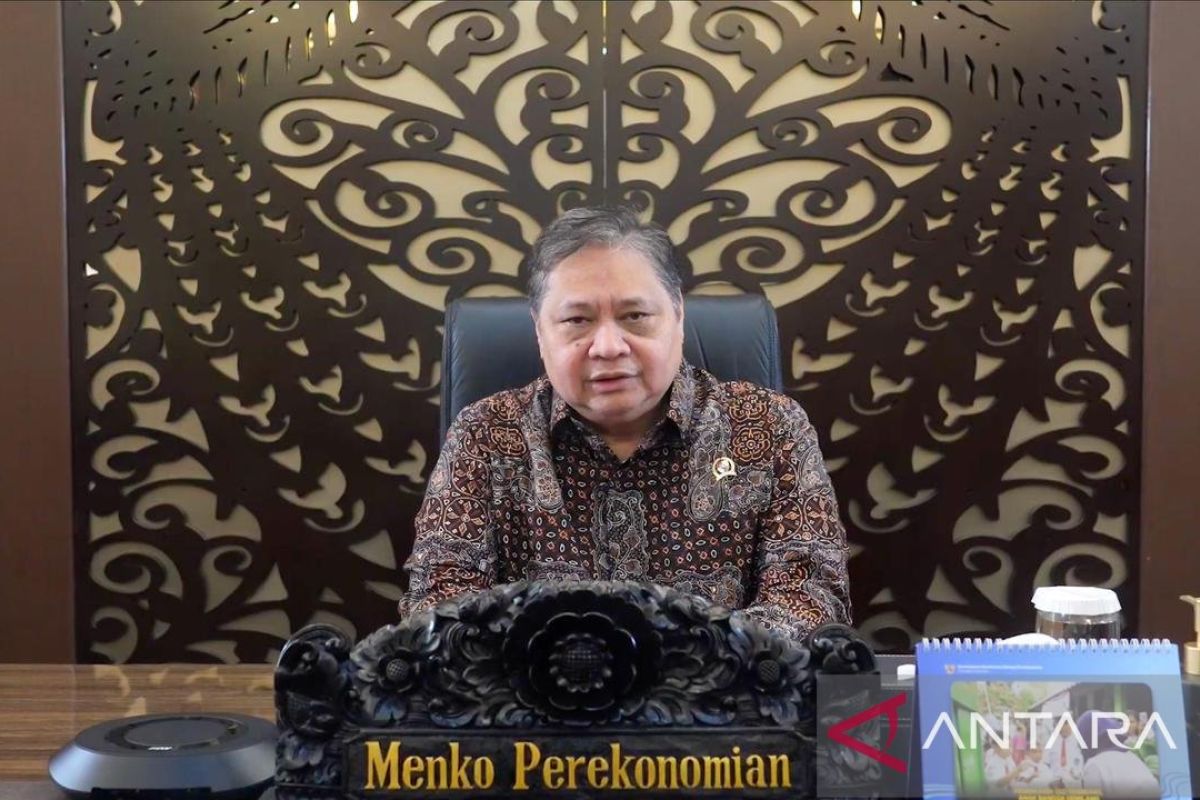
Indonesia has also moved onto this preparatory track and is already pushing an ambitious timeline. Coordinating Minister for Economic Affairs Airlangga Hartarto said Jakarta has aligned domestic regulations with CPTPP provisions and submitted its accession questionnaire to New Zealand, the treaty’s depositary, in May 2025. He argued that Indonesia’s commitments within frameworks such as the WTO, ASEAN, the Regional Comprehensive Economic Partnership and the OECD show it already meets most of the bloc’s requirements, and indicated that the current talks are a prelude to forming an accession working group as the country seeks full membership by 2027.
CPTPP currently brings together 12 economies across four continents, including Japan, Canada, Australia and the UK, and covers roughly 15% of global gross domestic product with a combined market of nearly 600 million people. For aspirant members such as the Philippines and Indonesia, proponents say participation would be strategically important, promising wider export markets, deeper investment ties and tighter integration into regional and global supply chains, provided they can navigate the agreement’s high-standard rules and complete the accession process.