Pretrial in Duterte Impeachment Stretched to Fifth Day Amid Massive Documentary Record
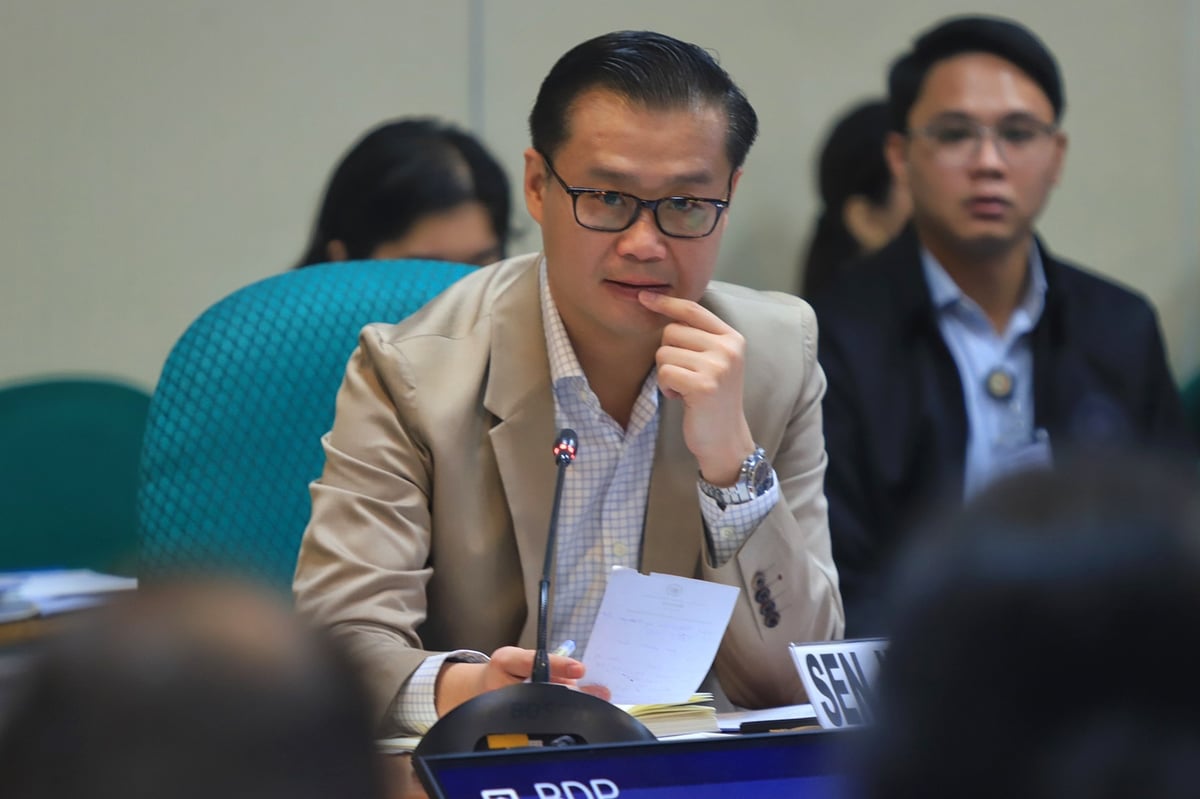
The impeachment pretrial of Philippine Vice President Sara Duterte is nearing completion after stretching into a fifth day, as her defense team and House prosecutors moved to finalize the painstaking marking of thousands of pages of documentary evidence. The pretrial conference, which began on June 18, has focused on organizing and pre-marking evidence, identifying witnesses, and stipulating uncontested facts ahead of the full impeachment trial.
Defense lawyer and spokesperson Michael Poa said on Thursday he was "very optimistic" the pretrial could be finished by the end of the day, citing faster progress in recent sessions. Poa told reporters that at his own marking station he expected to complete work by around 3 p.m. or 4 p.m., and that other members of the defense team handling separate batches of documents shared a similarly optimistic outlook. He added that if the process needed more time, an extension into Friday would likely be the latest.
The bulk of the work has centered on Article I of the impeachment complaint, which concerns Duterte's alleged misuse of confidential funds and alone involves about 8,000 documents to be marked, according to Senate clerk of court Renato Bantug. Four mixed teams composed of prosecution and defense members, along with staff from the Office of the Senate Secretary acting as the clerk of court, have been assigned to handle the Article I materials, while two additional teams are processing evidence for Article II, which deals with Duterte's supposed unexplained wealth.
Earlier in the pretrial, both sides completed pre-marking evidence for Articles III and IV. Those articles include allegations that Duterte bribed officials of the Department of Education and accusations connected to purported threats against President Ferdinand Marcos Jr., First Lady Liza Marcos, and former House Speaker Martin Romualdez, which are framed in the complaint as bribery, corruption, and culpable violation of the Constitution, high crimes, and betrayal of public trust. The conference had initially been expected to conclude on its second day, but the volume of documents forced an extension to the scheduled fifth day, with additional teams deployed and working hours stretched in recent sessions to hasten the process.