Bundesrat stärkt Apotheken mit neuen Befugnissen bei Prävention und Therapie
15.06.2026


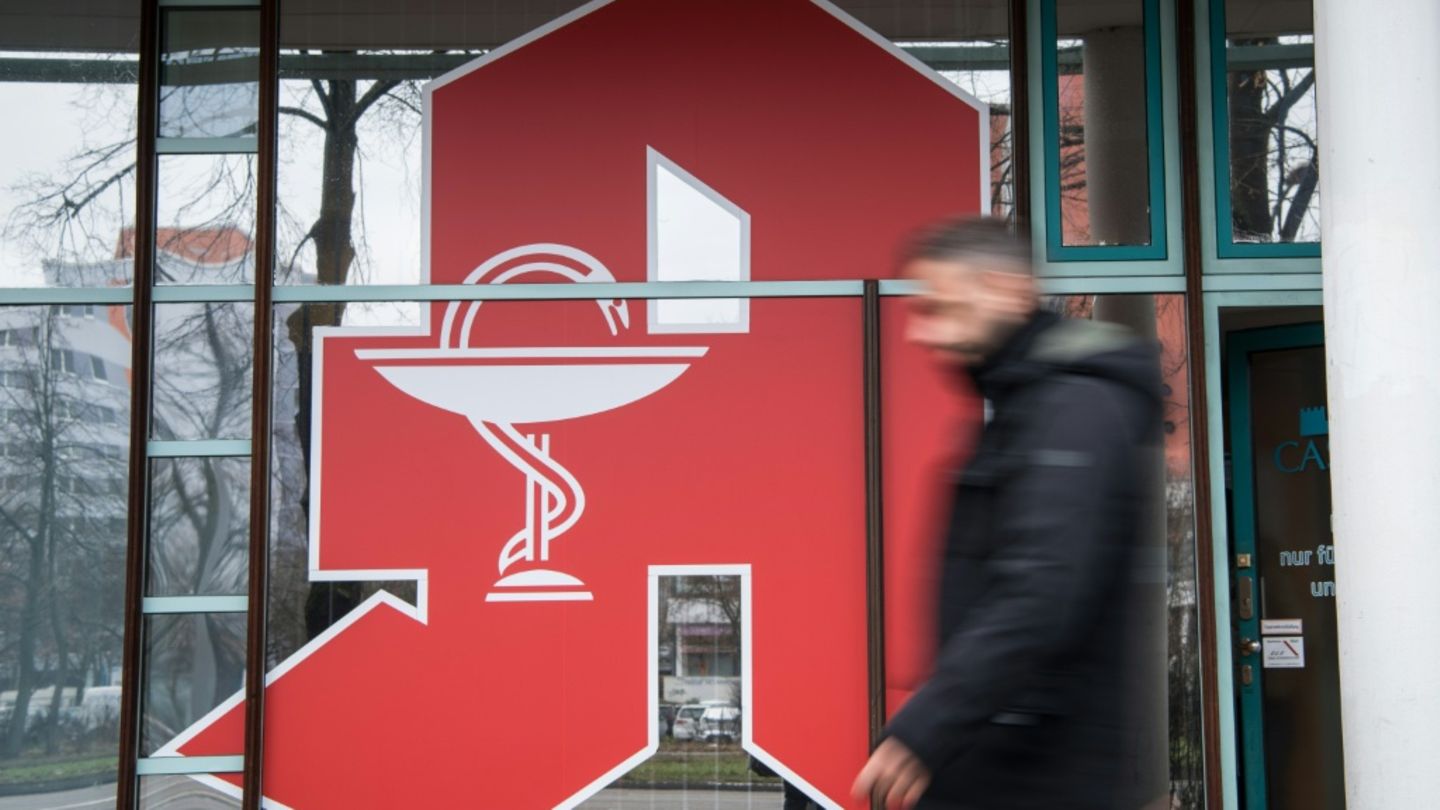
Apotheken in Deutschland erhalten deutlich mehr Handlungsspielraum: Der Bundesrat hat eine Reform der schwarz-roten Koalition passieren lassen, die die Rolle der Offizinen im Gesundheitswesen spürbar aufwertet. Ziel ist es, die wohnortnahe Versorgung zu stärken, Wartezeiten in Arztpraxen zu reduzieren und Prävention sowie Früherkennung auszubauen. Das Paket war zuvor bereits vom Bundestag beschlossen worden.

Kern der Reform ist ein erweitertes Leistungsangebot in Apotheken. Künftig sollen dort zusätzliche Vorsorge- und Früherkennungsuntersuchungen möglich sein, etwa zu Herz-Kreislauf-Erkrankungen, Diabetes oder Angeboten rund um das Rauchen. Apotheken können damit stärker als bisher in der Prävention ansetzen und Risiken identifizieren, bevor es zu manifesten Erkrankungen kommt.

Auch im Impfbereich werden die Kompetenzen ausgeweitet. Neben den bereits etablierten Grippe- und Corona-Impfungen dürfen Apotheken künftig alle Schutzimpfungen mit sogenannten Totimpfstoffen anbieten, darunter etwa Tetanus. Ergänzend werden Blutabnahmen erlaubt, etwa um Medikamentenwirkungen zu kontrollieren. Damit rücken Apotheken näher an klassische ärztliche Tätigkeitsfelder heran, ohne diese vollständig zu ersetzen.

Besonders sensibel ist die neue Möglichkeit, in eng begrenzten Fällen verschreibungspflichtige Medikamente ohne ärztliche Verordnung abzugeben. Erlaubt ist künftig die einmalige Ausgabe der kleinsten Packungsgröße auf Selbstzahlerbasis, wenn ein Arzneimittel seit längerem eingenommen wird und die Fortführung der Therapie keinen Aufschub erlaubt. Die Regelung soll Versorgungslücken schließen, etwa wenn ein Rezept nicht rechtzeitig vorliegt, und bleibt zugleich strikt begrenzt, um Missbrauch zu vermeiden.

Reusable Cup Push in Taipei Targets 50,000 Fewer Disposable Drink Cups

05.07.2026


Taipei is doubling down on efforts to cut consumption of single-use beverage cups, rolling out a city-backed discount that rewards customers for bringing their own containers to popular hand-shaken drink chains. From July 2 through Dec. 31, consumers who visit participating Taipei outlets of Milksha (迷客夏) and TEA TOP on Thursdays will receive a NT$10 discount per drink when they use a reusable cup, up from the standard NT$5 required by national rules.

The program, jointly launched by the Taipei Environmental Protection Department and the two chains, covers 46 Taipei stores and is capped at 50 discounted drinks per outlet each Thursday. The NT$10 reduction combines the existing NT$5 price difference that chains must offer under the "Restrictions on the Use of Disposable Beverage Cups" with an additional NT$5 subsidy from the city. The offer does not apply to prepaid or stored-value orders, and outlets in other municipalities continue to provide only the basic NT$5 discount.

Taipei officials say the initiative builds on a smaller 2023 pilot with five brands and 18 outlets that generated 4,385 instances of reusable-container use between Sept. 18 and Oct. 9. By expanding the scope and duration and partnering with high-traffic milk tea brands, the city estimates the latest round could spur about 50,000 drinks served in personal cups, cutting a similar number of disposable cups from the waste stream. Authorities argue that as more people adjust their daily purchasing habits, the cumulative impact on waste reduction, resource use and environmental pressure will become increasingly significant.

The city is also tying the push to its digital payments ecosystem. Consumers who register for the "Plastic Reduction EasyLife" (減塑EasyLife) campaign in the EasyCard Pay (悠遊付) app and link a mobile barcode can earn additional rewards when they buy drinks in reusable cups and opt for cloud invoices, on top of the price discount offered at the counter. Taipei officials frame the effort as a public–private partnership designed to make environmentally friendly behavior financially attractive, positioning the weekly rebate as both a way to trim beverage costs and a step toward a longer-term shift away from disposable cups in one of the world’s most beverage-focused urban markets.